They sound almost like a magic ticket: tiny rectangles of paper that claim they never go bad, never lose value, defy time itself. Why Is It Called A Nonexpiring Postage Stamp? Unveiled — buckle up, because the answer is part legal design, part postal economics, and part myth-busting drama that will make you rethink every envelope on your kitchen counter.
## Why Is It Called A Nonexpiring Postage Stamp? Unveiled
Why is it called a nonexpiring postage stamp? The phrase crackles with promise: pay once, mail forever. But the truth behind that golden-sounding promise is both simple and surprising. In reality, a nonexpiring postage stamp is not a magical artifact immune to policy change; it’s a carefully constructed consumer protection mechanism that guarantees postage value against future rate increases. The U.S. “Forever” stamp is the headline act of this concept, but similar systems exist worldwide. Still, the sensational part comes when you learn what nonexpiring really means — and what it does not mean.
### Origins Of The Nonexpiring Concept
The narrative begins with postal rate volatility. Postal services raise rates periodically to cover costs. Customers who stocked up on stamps at lower rates felt cheated when inflation or operational changes made those stamps inadequate. Enter the nonexpiring stamp: a consumer-friendly solution. Why Is It Called A Nonexpiring Postage Stamp? Because the words literally signal that the stamp’s purchasing power will not expire even if the postage rate changes.
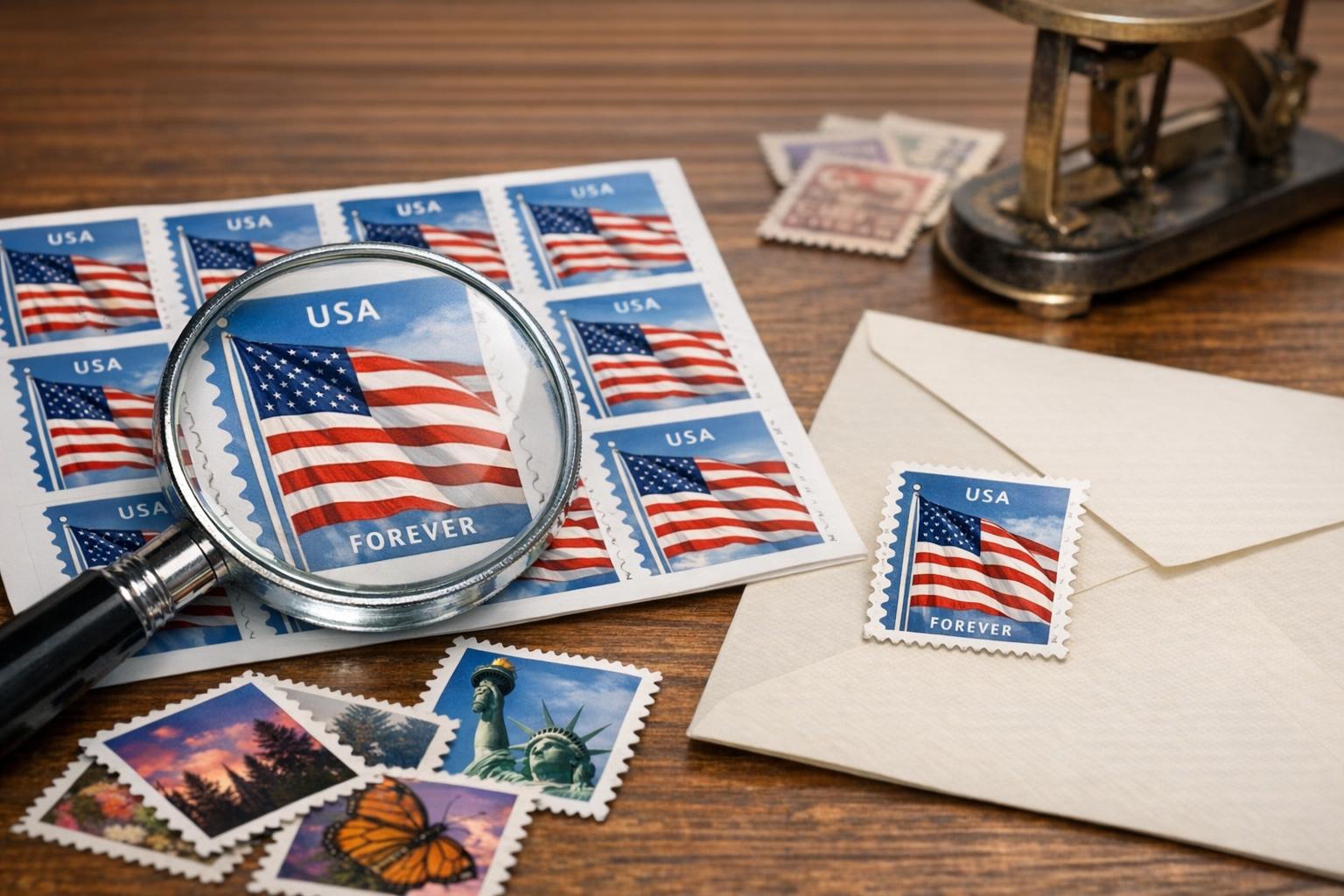
In the U.S., the Forever stamp was introduced in 2007 to simplify life for consumers and reduce the need to purchase extra, small-denomination stamps after rate hikes. This solved practical headaches — but it also spawned sensational rumors: that you could use these stamps for bulk commercial postage, or that foreign governments would accept them forever. Those are exaggerations. The core promise remains narrow and powerful: one stamp equals one First-Class postage rate, forever.
### Common Myths About Stamp Expiration
Myth: A nonexpiring stamp means unlimited postal services.
Fact: No. A nonexpiring stamp covers a specific class of postage (e.g., First-Class in the U.S.). It does not entitle you to special handling, international mail, or services beyond the face-value equivalent.
Myth: Nonexpiring stamps never change in legal status.
Fact: Postal administrations set the terms. While designed to protect the buyer against rate hikes, the stamps operate under postal law and regulations. Changes in service classes or extraordinary policy shifts can alter their practical use, though value protections typically persist.
Myth: Collectors hate nonexpiring stamps.
Fact: Some collectors dislike the ubiquity, but many also appreciate their historical significance as a postal policy innovation. A nonexpiring stamp can have both monetary and nostalgic meaning.
## How A Nonexpiring Stamp Works And What It Really Means
At its heart, the mechanism is straightforward: when you buy a nonexpiring stamp, you purchase the right to mail a certain class of item (for example, a standard domestic letter) regardless of future postage increases. If rates rise, you don’t need to add extra postage to meet the new price — the nonexpiring stamp still covers the service it was designed for.
This begs further probing: does the nonexpiring guarantee apply to international or special services? No. It is tied to a defined service class. Does the guarantee mean that the physical stamp cannot be disallowed? Postal authorities can refuse mail if the stamp is damaged, altered, or used improperly, but they cannot force you to surrender additional postage solely because rates rose after the stamp’s purchase.
Why Is It Called A Nonexpiring Postage Stamp? Because the defining characteristic is non-expiration of monetary value for the specific postal service, not immortality of the paper itself.
### Legal And Practical Implications
Legally, the term “nonexpiring” or “Forever” becomes part of the postal product’s definition. Postal operators publish terms explaining which services are covered and how excess or insufficient postage is handled. Practically, this reduces consumer friction: no more trips to buy a 3-cent stamp to top off a letter after a rate increase.
For businesses and bulk mailers, the nonexpiring stamp is a convenience but not a substitute for proper postage meters or permit accounts. When calculating postage, don’t confuse the simplicity of a nonexpiring stamp with the complexity of commercial bulk pricing and service classes.
#### International Variations In Stamp Expiration
Around the globe, postal administrations handle expiration differently. Some countries mimic the Forever model, while others issue stamps with explicit face values that require additional postage when rates rise. Always check local postal rules if you mail internationally — a nonexpiring stamp in one country may not be recognized as such elsewhere.
## 1. Remedy: Preserve And Protect Nonexpiring Stamps (Formal Guide)
If you own nonexpiring stamps — whether for practical use or as part of a collection — preserving them keeps their value and utility intact. Below is a formal, step-by-step preservation remedy written in pragmatic terms.
### Required Materials
– Archival-quality, acid-free stamp album or stock pages
– Archival storage sleeves (PVC-free)
– Stamp tongs (tweezers designed for stamps)
– Soft, dry microfiber cloth
– Archival-quality storage box (acid-free)
– Gloves (optional, cotton or nitrile)
– Small, soft brush for dust removal
– Lightweight press or flat board for flattening (if needed)
### Step-By-Step Preservation Process
1. Prepare Workspace: Clean a flat, dry surface away from direct sunlight, humidity, and pets. Wash hands or wear gloves to avoid oils transferring to stamps.
2. Inspect Stamps: Using stamp tongs, lift each stamp and inspect for damage, tears, or heavy creasing. Use the soft brush to remove dust gently.
3. Flatten If Necessary: If a stamp is slightly curled, place it between two sheets of acid-free paper and apply a lightweight, even pressure for 24–48 hours. Do not use heat or excessive pressure.
4. Handle Properly: Always use tongs to move stamps. Avoid touching the adhesive side if the stamp is unused.
5. Store In Sleeves: Slide stamps into archival-quality, PVC-free sleeves. Ensure sleeves are sized correctly to prevent shifting, which can cause abrasion.
6. Use An Album Or Stock Pages: Insert sleeved stamps into an acid-free album or stock pages. Keep stamps flat and spaced to avoid contact that can lead to sticking.
7. Control Environment: Store albums in a cool, dry place. Ideal relative humidity is around 40–55% and temperatures between 60–70°F (15–21°C). Avoid attics, basements, and direct sunlight.
8. Monitor Periodically: Check your collection every 6–12 months for signs of mold, discoloration, or adhesive migration. Early detection prevents widespread damage.
9. Document Provenance: For valuable items, record purchase dates and receipts. Note that the legal benefit of a nonexpiring stamp is tied to postal policy more than to collector value, but provenance helps maintain worth.
This remedy is focused on preservation; it neither alters nor attempts to enhance the stamp’s postal validity. Never attempt to modify postage stamps to change denominations — altering postage can be illegal and may invalidate the stamp.
### Avoid These Preservation Pitfalls
– Do Not Use Tape Or Regular Plastic Sleeves: Acidic materials and some plastics will degrade stamps over time.
– Avoid Heat Sources: Heat can activate adhesives or warp paper, compromising both appearance and postal use.
– Don’t Laminate Stamps: Lamination permanently alters stamps and will likely render them unusable for mailing or destructive for collectible value.
### When To Use A Nonexpiring Stamp In Practical Mailings
Use nonexpiring stamps for standard mail within the class specified by the issuing postal agency. If mailing internationally or adding services (insurance, certified mail, extra weight), verify whether supplemental postage is required. A nonexpiring stamp covers the base service it was created for — and that is its power and its limitation.
## Dramatic Twist: Why Gamblers And Hoarders Loved The Idea
Hoarders of postage imagined a future-proof hoard, a vault of forever-stamps that would outpace inflation. In reality, while a nonexpiring stamp protects against postal price hikes, it doesn’t protect against broader economic changes. It is not a speculative asset, and hoarding is rarely a sound financial strategy. Yet the allure persists — small, indestructible promises in a chaotic world.
Why Is It Called A Nonexpiring Postage Stamp? The name is a promise engineered to make postal life simpler, to remove a tiny but persistent worry from everyday transactions, and to be a practical consumer guarantee rather than an invitation for financial wizardry.
## The Cultural Shockwave Of The Nonexpiring Idea
The nonexpiring stamp changed consumer expectations. It reframed postage as a stable, predictable commodity and became a marketing triumph for postal services aiming to appear modern and customer-focused. The term “nonexpiring” is sensational because it sounds like a loophole; it’s actually a policy instrument. That contrast fuels not only myths but also the cultural fascination surrounding these humble squares of paper.
Why Is It Called A Nonexpiring Postage Stamp? Because the name condenses the product’s entire promise into a single, seductive phrase — and that is both its marketing power and the seed of persistent public curiosity.

Leave a Reply