## Why Butterfly Stamps For Nonmachinable Mail Turn Heads
If you’ve ever handed a brightly colored butterfly stamp to a postal clerk and watched the face register confusion, you’re not imagining things. Butterfly stamps for nonmachinable mail are a small design choice with outsized consequences. They sit at the intersection of aesthetics, automation rules, and human judgment. That friction reveals a lot about how postal systems actually work, and why something as tiny as a paper embellishment can change the price and path of a letter.
### How Mail Gets Flagged As Nonmachinable
Automation isn’t subtle. Sorting machines expect a predictable size, shape, and flexibility. Anything outside those tolerances—square envelopes, rigid inserts, clasps, or bulky decorations—can jam the line. When that happens, the envelope gets diverted for manual processing and the sender is charged a nonmachinable surcharge. People rarely plan for that. They focus on content: an invitation, a product sample, a handmade card. The postal rules focus on form.
Nonmachinable stamps are often what people buy when they realize they owe extra postage. That term has popped up among hobbyists and repeat senders as shorthand for adding the surcharge. The USPS doesn’t sell a specialized “nonmachinable” design per se—most of the time it’s just extra postage—but sellers and collectors will refer to the additional stamps used to cover that charge as nonmachinable stamps.
### Why Butterfly Stamps Become A Signal
Butterfly stamps have a special visual presence. They’re decorative by design. When someone uses a butterfly stamps series on wedding invites or handmade cards, clerks can interpret that in two ways. One: the sender cares about presentation and possibly put other decorations inside that will make the envelope rigid. Two: the stamps themselves might be die-cut, embossed, or applied with an adhesive that interferes with machines.
A folded paper butterfly glued over a seam or a layered sticker can add thickness. That’s enough to push an envelope over the nonmachinable threshold. So the stamps themselves don’t always cause rejection; they act as a red flag that makes mail handlers look closer. The result: a beautiful stamp leads to an extra charge, or an envelope diverted for manual handling.
#### Little Details That Trigger Manual Handling
Thin cardstock backs, foam stickers under the stamp, metallic inks, and multiple layers of adhesive all count. Even uneven sealing can cause an envelope to hang up on a feeder. In one case I watched, a cluster of tiny embossed butterflies around the address block collected lint and bent. Machines rejected the item repeatedly. A small design choice created a repeating bottleneck.
### Stories From The Counter
I know a florist who used a block of butterfly stamps on thank-you notes and then had a batch returned with postage due. The notes had been printed on heavier stock to feel luxurious. The clerk pointed to the stack and said, “Lovely, but all this makes them nonmachinable.” The florist paid the extra fee and switched to simpler paper. It was a small expense, but the bigger cost was time and inconvenience. The bride whose save-the-dates included die-cut butterflies had a similar surprise. Her recipients got slower delivery and tracking went wonky because manual handling is more error-prone.
Collectors complain too. A philatelist might attach a premium butterfly stamp with a hinge or mount that adds thickness. If that envelope goes into the system, machines may treat the added material as an irregularity. Sometimes post offices log these items for special handling, and sometimes they don’t. That inconsistency is part of the quirk.
#### Clerks Versus Machines
You’ll get different reactions depending on who’s on duty. Some clerks will spot an ornate stamp and ask whether the mail contains other embellishments. Others will accept the postage without a second thought. Machines will always behave the same way: they don’t care about intention, only physics. That’s why butterfly stamps indirectly reveal how much human judgment still matters in a computerized sorting system.
### Practical Rules You Can Use Today
If you like using butterfly stamps but want to avoid surprises, follow a few simple steps.
#### Measure And Weigh
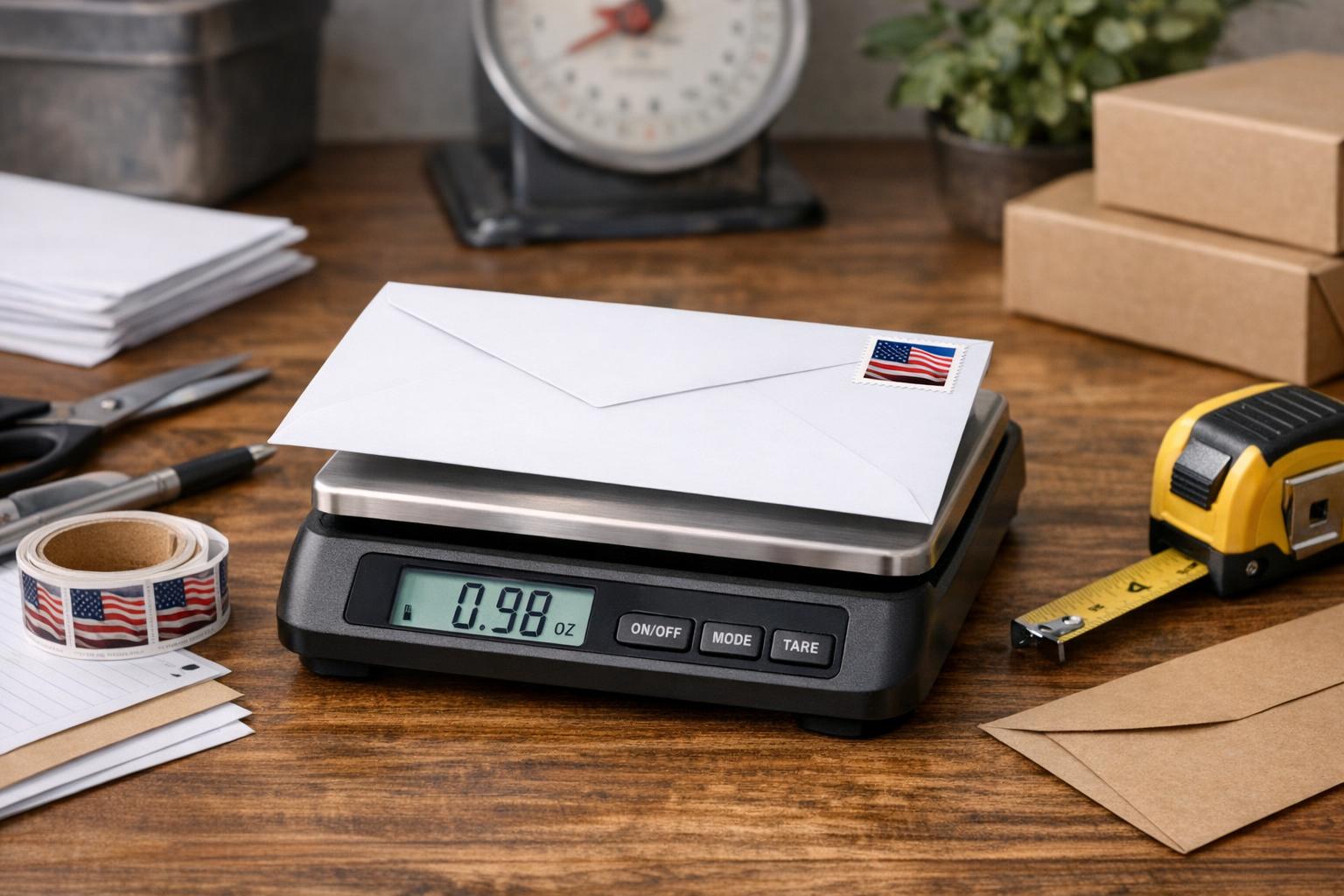
Before you buy postage, weigh your envelope on a kitchen scale and measure its thickness. Most postal services publish the maximum dimensions and thickness for machinable mail. If your piece is close, add extra postage preemptively. It’s cheaper than paying at the counter and less embarrassing than explaining why your invites are being hand-sorted.
#### Simplify The Surface
Leave space around the address block. Don’t pile decorative elements where machines expect a smooth, flat surface. If you insist on a tactile look, keep it to the flap or the interior. Butterfly stamps on the back or near the seam increase the chance of hang-ups. Put them in a corner at least a half inch from edges and seams.
#### Use Full Postage Up Front
Buy enough postage to cover both the base rate and a possible nonmachinable surcharge. That’s where people refer to nonmachinable stamps. You can assemble the needed value with any stamps you like. If you see a stamp you love, use it—but pair it with the extra postage required to cover risks. Online postage calculators make this easier than guessing.
#### Test With A Single Piece
When mailing a large batch of handcrafted items, mail one item first. Let it hit the system and see if it arrives on time and intact. If it gets flagged as nonmachinable, you can adjust the remaining batch. This small pilot saves money and grief.
### What Postal Design Choices Reveal
Butterfly stamps for nonmachinable mail don’t just show how customers decorate mail. They highlight friction inside postal operations. A system built for speed expects homogeneity. Anything that deviates becomes a fault. That’s not a moral failing; it’s a design trade-off. Speed and volume require standardization. Beautiful, tactile, or custom mail breaks that standardization.
You can see the same tension in other areas: poly mailers that slip through conveyor belts without issue, while a single bubble-lined envelope stands up and jams everything. Butterfly stamps and handcrafted cards make those trade-offs visible.
#### The Customer Experience Side
The human cost is real. Senders value presentation. Recipients enjoy the tactile feel of a carefully made piece. Postal systems value throughput. When those wishes clash, the customer’s experience suffers. People either stop crafting by hand or they accept slower delivery and higher cost.
### When To Embrace The Extra Cost
Sometimes paying more is worth it. Wedding invitations printed on heavy stock and layered with die-cut butterflies are a statement. If timing is flexible and budget allows, mark them clearly as priority and pay for nonmachinable handling upfront. That ensures the mail is processed in a way that preserves the item’s integrity.
Butterfly stamps for nonmachinable mail make sense here. They match the tone of the piece and the sender is ready for manual handling. The risk becomes intentional. The mail gets a different path through the network, and often a bit more careful attention.
### A Collector’s Perspective
Collectors like limited-run butterfly stamps because they’re different. That same difference is what causes trouble in processing. Many collectors accept the trade-off. They use foam mounts, album hinges, and special covers. They understand that an odd piece might not behave on a mechanized line. For them, the value is aesthetic and archival, not postage efficiency.
#### Small Adjustments For Collectors
If you’re mailing items that collectors will cherish, use protective sleeves and clear labeling. Indicate “Do Not Bend” and add extra postage so handlers know the value. That reduces risk without forcing you to abandon the design you want.
### Unexpected Benefits Of Manual Handling
There’s a counterintuitive upside. Mail flagged as nonmachinable sometimes gets gentler handling. A human being sorts and scans it, and it may avoid being dented or scuffed in a machine. That doesn’t justify adding unnecessary bulk, but it’s an odd quirk: the same thing that makes mail more expensive can also make it arrive in nicer condition.
### Where The Rules Fall Short
Postal rules are necessarily blunt instruments. They can’t easily capture nuance. The same envelope that passes in one city may be diverted in another. That variability feeds a cottage industry of advice, from postal forums to craft blogs, about what will and won’t be accepted. That’s where the phrase nonmachinable stamps appears again: people swap tactics, recommending which mixes of postage and placement actually get items through.
The result is a local knowledge that sits beside official guidance. It’s practical, sometimes contradictory, and often learned the hard way. People tell stories about a single postage choice—like a sheet of butterfly stamps—that cost them extra. Those stories drive behavior far more than the published rules.
### When To Ask At The Counter
If you’re unsure, ask. Explain the contents and show a sample. A clerk can weigh and measure and give you a straight answer. Don’t guess. It’s quick and avoids a later surprise. And yes, mention that the piece has layered elements or metallic inks. Those facts matter more than whether you used a butterfly stamp or a plain one.
Recieve mail that’s been hand-sorted, and you’ll start to spot patterns: which designs survive, which don’t, and how human judgment smooths rough edges in a mechanical world. The small choices—paper weight, placement of a stamp, a sticker—tell a larger story about what we value in physical mail and what we are willing to pay for it.
Leave a Reply