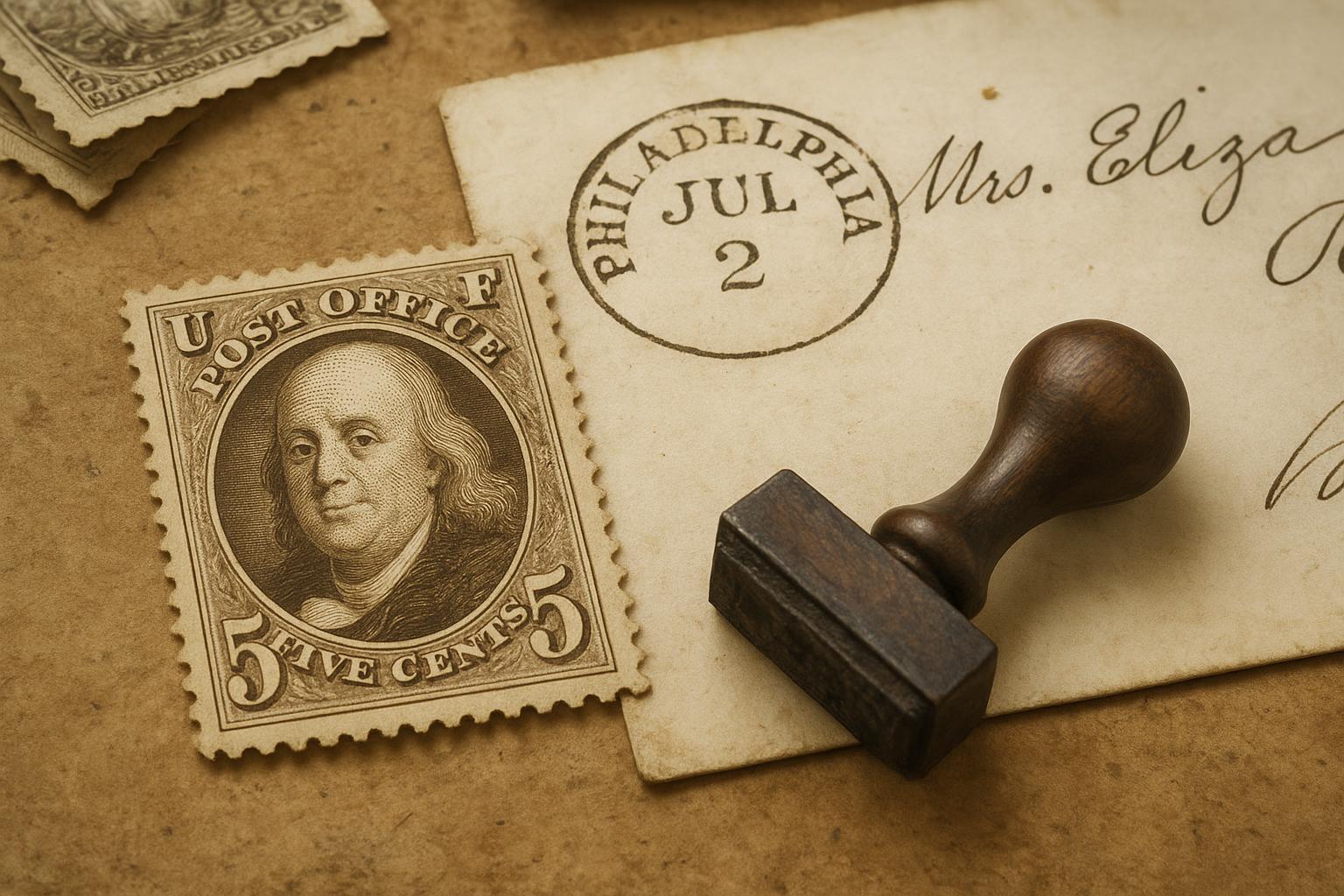
Stamps are small, sticky pieces of paper that changed the shape of communication. They moved the cost of sending a letter away from the recipient and made mail reliable at scale. That shift sounds mundane now, but it rerouted commercial life, government, and even how people kept relationships across distances.
## Origins Of Postage Stamps: The Penny Black Revolution
The story most people point to begins in Britain in 1840. Postal reformer Rowland Hill argued that postage should be paid by the sender and based on weight, not distance. The Penny Black was issued in May of that year. For one penny you could send a letter up to half an ounce anywhere in the United Kingdom.
The Penny Black is important because it made adhesive prepayment practical. It used an engraved head of Queen Victoria and was printed in panes of 240. That design and the idea of a standardized, pre-paid token of postage spread quickly. Within a few years, other countries were issuing their own stamps, each adapting design, denomination, and security features to local needs. The Penny Black didn’t invent the idea of prepayment entirely, but it turned that idea into a system the world could copy.
### Why Prepayment Mattered
Before stamps became common, postal charges were a nuisance. Recipients often refused mail because they couldn’t or wouldn’t pay. Merchants had to factor in unpredictable postage costs. Governments lost revenue because collection was chaotic. A small piece of paper that showed payment solved all of that. It made mail portable revenue, easier to audit, and less likely to be refused.
The mechanics are simple but effective. Prepaid mail reduces friction. You could buy a sheet of stamps and carry it. You knew exactly how much a letter would cost. The postal clerk could move faster. Systems that scaled rely on predictability, and stamps provided that.
## Early Systems That Led To Stamps
Stamps did not appear out of nowhere. There were earlier systems of prepayment and markings. In the 17th and 18th centuries, postal services sometimes used handstamps to show a letter was paid, or used prepaid envelopes. Private carriers, especially in port cities, issued labels for fees. Those are often overlooked in popular narratives, yet they form the stamp origins that allowed countries to move to adhesive stamps.
Look at the British postal network in the 18th century. It charged by distance and the number of sheets. That made letters expensive and slow. Calls for reform built slowly, and people like Hill turned those complaints into policy. The technology of printing and perforation followed the policy impulse. Governments invested in secure printing. Plates, watermarks, and later perforations were all responses to fraud and the need for speed.
### Stamp Origins In Other Countries
Once Britain adopted adhesive stamps, the idea spread rapidly. Switzerland experimented in the 1840s, and the United States followed in 1847. The earliest U.S. stamps depicted Benjamin Franklin and George Washington. Franklin’s presence on the first U.S. stamps is fitting. He was a shrewd administrator of the colonial post and had ideas about routing, speed, and payment that prefigured the later system.
In some places stamps became national symbols. The famous “Post Office” Mauritius stamps from 1847 show how quickly local printers and postmasters adapted the form to local needs. Those issues are now legendary among collectors because they were early, unusual, and often printed under primitive conditions.
## The Birth Of US Mail And The Role Of Stamps
The United States postal system has older roots than its first stamps. Colonial mail networks in the 17th and 18th centuries linked cities and plantations. Benjamin Franklin ran postal operations in the colonies and later served as the first Postmaster General under the Continental Congress in 1775. He standardized routes, improved delivery, and collected postal revenue more efficiently.
By 1845 Congress simplified rates and prepared the ground for adhesive stamps. The U.S. Post Office issued its first stamps on July 1, 1847. The two denominations, five cents and ten cents, corresponded to the most common rate distances. These early stamps were printed by separate contractors and required careful handling; sheets were cut with scissors because perforation hadn’t been adopted yet.
### How Stamps Changed American Commerce
Once stamps became normal in America, business communication accelerated. Merchants could rely on predictable delivery costs when negotiating contracts. Newspapers and magazines created bulk mailing rates, which helped create national markets for ideas and advertising. Farmers could order specialized equipment from catalogs and expect regular delivery. In short, the stamp made predictable commerce easier.
The postal system also functioned as a civic glue. Voters, soldiers, families, and businesses relied on the mail to stay connected. During conflicts like the Civil War, multiple postal authorities issued stamps, reflecting political fragmentation and the practical need to maintain communication within divided territories.
## Design, Fraud, And The Move To Security
Design choices mattered from the start. Portraits, coats of arms, and allegorical figures carried authority. But stamps also created incentives for fraud. People might try to remove a stamp and use it again. Early defenses included inked cancellations and later stronger perforations that made removal messy.
Security printing developed rapidly. Watermarks, special inks, and complex engravings followed. In the U.S., multi-colored stamps and later photogravure reduced the chance of counterfeiting. Postal administrations turned into quasi-security bureaus, blending art, engineering, and law enforcement.
### Postage Stamp History And Collecting
Collecting stamps is as old as stamps themselves. Dealers and hobbyists began swapping issues within a few years of the Penny Black. That hobby drove much of the study we now call postage stamp history. Collectors kept records, saved errors, and documented issue dates. That archival habit is one reason historians now have precise accounts of who printed what and when.
Stamp collecting also shaped the market. Postmasters would sometimes produce special commemoratives to boost sales, which fed public interest and revenue. Nations began issuing stamps to mark anniversaries, scientific achievements, or political leaders. These small choices reflect cultural priorities and are a rich source for social historians.
## Practical Consequences That Lasted
Once stamps were standard, governments found a steady revenue stream. Postal services transformed into public utilities with budgets and careers. Regular mail created expectations: scheduled delivery, accountable staff, and network expansion. People began to measure time and distance against postal timetables.
Stamps also changed perception. A nation’s stamps travel beyond its borders. They deliver not just letters but images of national identity. States used that visibility to project power or to celebrate diversity. Think of island nations issuing colorful bird series for collectors. The economic logic is simple: stamps can pay for themselves while broadcasting an image.
### What The Origins Of Postage Stamps Tell Us About Change
“Origins of postage stamps” is a story about aligning incentives. Once you make it easy to pay at the point of origin, many downstream problems disappear. That logic applies beyond mail. It’s why prepaid services work in utilities, transportation, and digital platforms. The stamp’s success is a practical lesson in system design.
At a human level, stamps changed habits. People began writing short, frequent letters instead of infrequent long ones. They assumed messages would arrive. That expectation shaped business practices and private life. A merchant in Boston could place an order in New Orleans with more confidence. A soldier could keep in touch with a spouse. The small, sticky square made those routines feasible.
## A Few Surprising Threads
Not all innovations were top-down. Local postmasters sometimes improvised. In sparsely populated areas, private carriers bridged gaps before formal routes reached them. Some early stamp issues were crude, printed by local printers on poor paper. Those rough pieces now fetch huge prices because they tell a story. They are evidence that system-level change often depends on many small, imperfect steps.
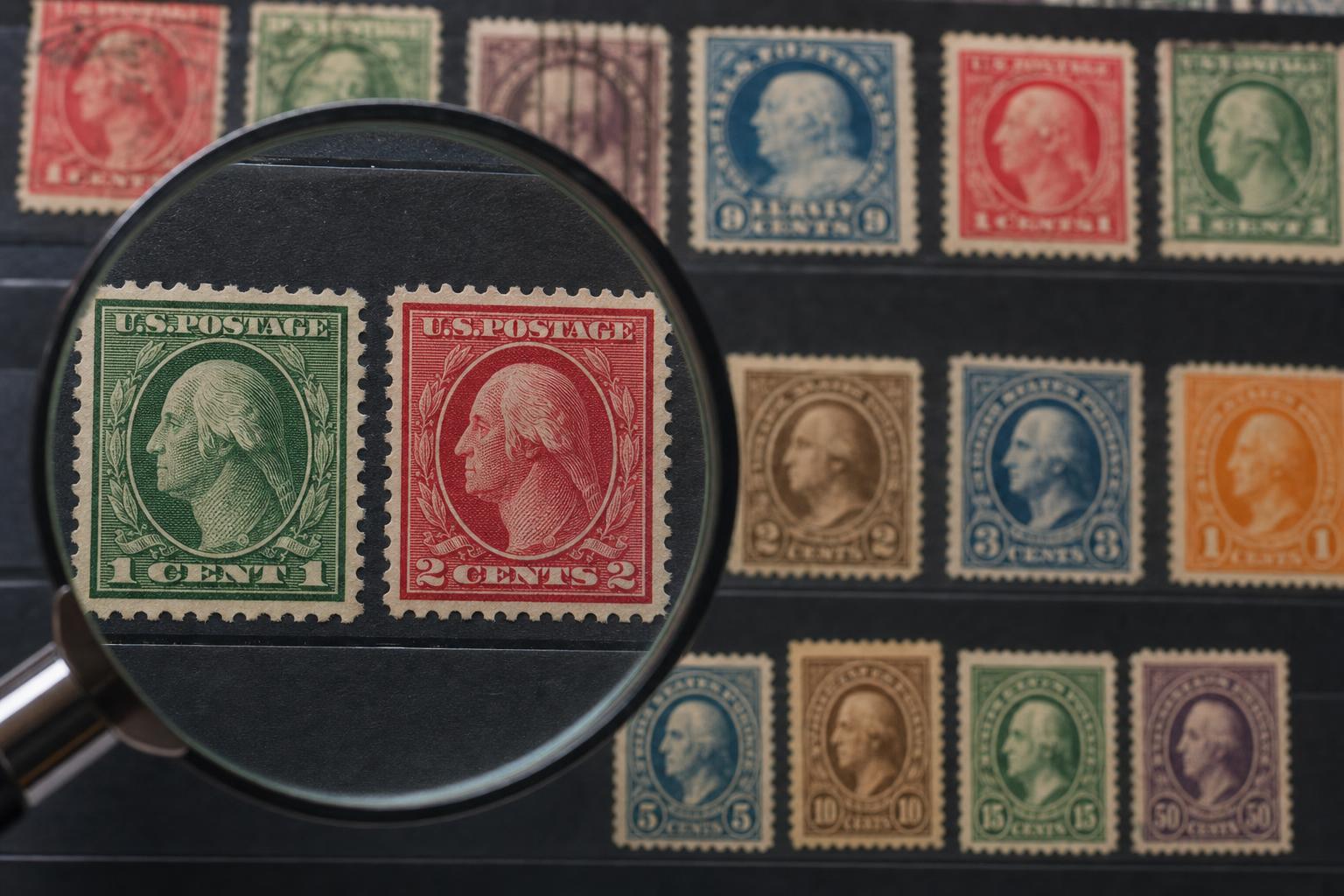
Also, the texture of stamps matters. Perforation patterns, paper fibers, and cancellation inks are all clues that specialists use to date and authenticate issues. That detail-oriented work has kept postage stamp history lively for researchers and hobbyists alike.
Recieve a letter with an old stamp and you’re holding more than currency. You’re holding a piece of administrative invention. It’s a trace of policy, technology, and daily life.
#### Collecting As A Way To Preserve History
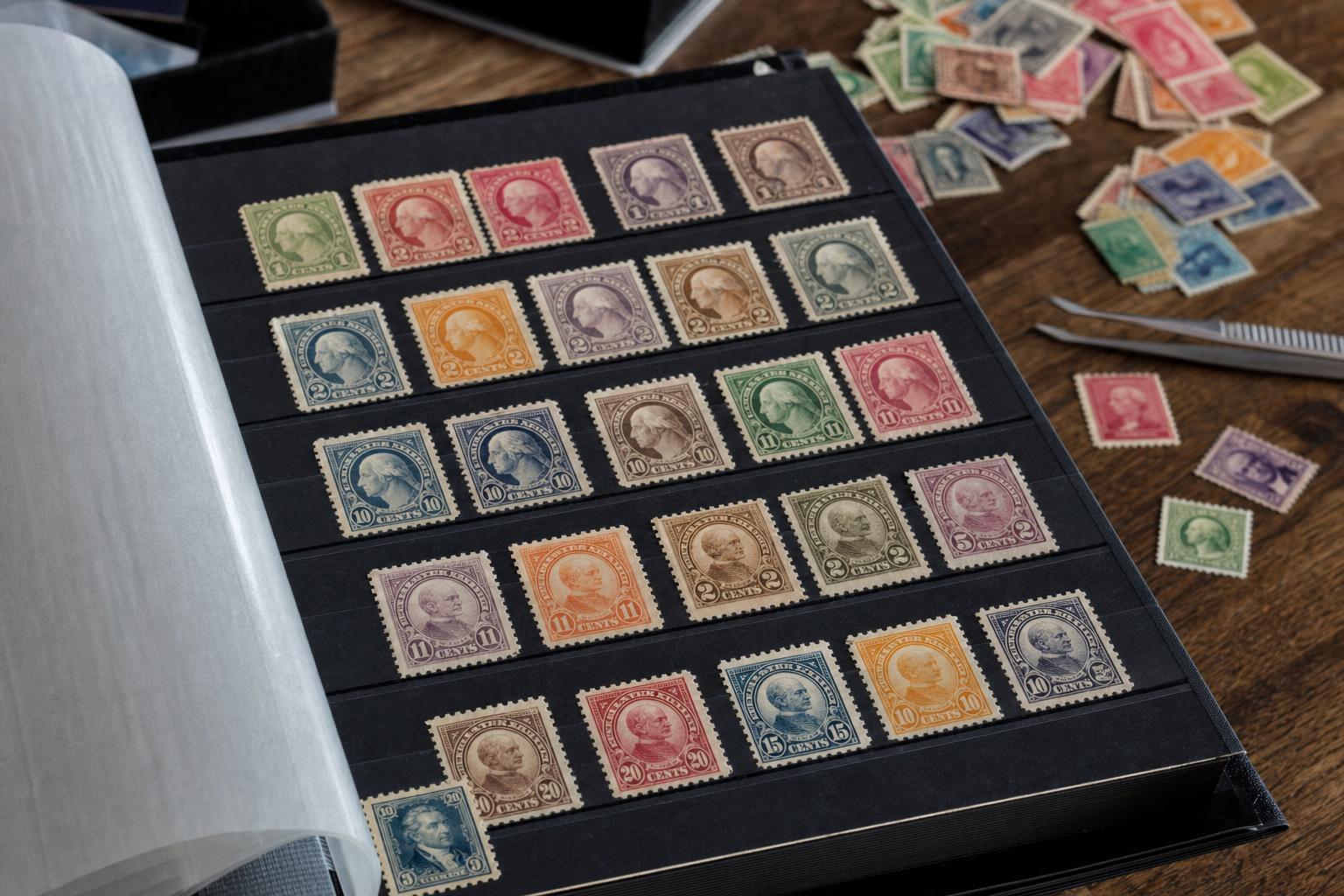
Collectors and museums have preserved thousands of stamps and postal documents. That archive is a resource for understanding trade routes, migration, and diplomacy. Postage stamps may seem trivial, but they are often the only remaining artifacts that document everyday transactions. In that sense, the small, official sticker becomes a primary source for historians.
Leave a Reply