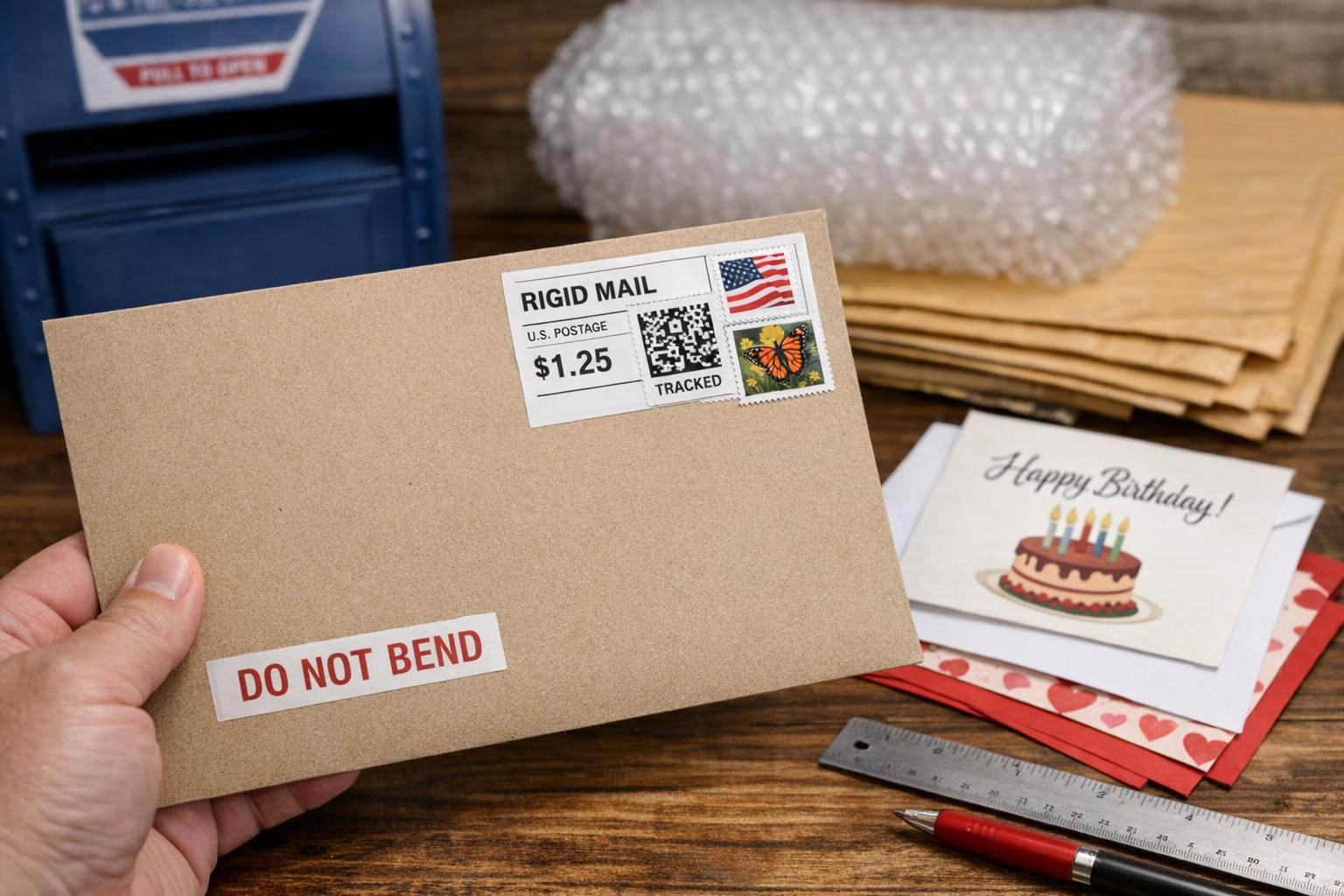
## Shocking: Rigid Envelope Postage Explained For Cards
You thought sending a simple greeting card was harmless? Think again. The postal world quietly stages ambushes that can DOUBLE your postage if you pack your card the wrong way. This explosive revelation—rigid envelope postage explained—will leave you checking every single stationery cupboard in your home. The horror: a seemingly innocent card can become a “rigid” problem that triggers surcharges, rejection, or unexpected delays. Rigid envelope postage explained is the battleground phrase that every card-sender now needs tattooed in their brain.
## Why The Postal System Hates Stiff Cards
The postal system was designed for speed and automation, not your handcrafted pop-up dinosaurs. When a mailpiece refuses to bend or passes through automated sorting machines awkwardly, postal operators slap on penalties and reroute the piece for manual handling. That’s the real danger—cards that qualify as rigid are not just irritating; they cost extra and slow down delivery. Rigid envelope postage explained isn’t just semantics: it’s how you avoid being hit with extra fees or worse, having your card returned.
### The Anatomy Of A Rigid Offender
Rigid envelopes are typically anything with non-flexible inserts, glued layers, or materials that resist bending. Think of bulky cards with multiple layers of embellishment, thick cardboard inserts, or glued-on decorations. Even staples that refuse to lie flat can trip the rules. When those elements are present, postal clerks will tag the piece as non-machinable, and you’re suddenly negotiating the nightmare of surcharge ambiguity with the counter clerk.
### Common Triggers That Make A Card Rigid
– Thick card stock or cardboard inserts
– Metal or wooden embellishments
– Heavy adhesive, glued layers, or dimensional stickers
– Multiple staples or thick closures
– Contents that cannot be comfortably bent by hand
## Rigid Envelope Postage Explained: What The Rules Mean For You
Here’s where the screaming stops and the practical clarity begins. When we say rigid envelope postage explained, we mean this: postal services categorize mail by shape, size, flexibility, and thickness. If your card doesn’t conform to the flexible criteria, it may be classified as non-machinable or as a parcel, leading to different pricing structures and slower processing. Understanding where your mailpiece lands will prevent surprise costs and customer embarrassment.
### Rigid Envelope Rates: The Real Impact On Your Wallet
Rigid envelope rates are often higher because the USPS and other postal services must process these items by hand. That manual handling incurs labor and sorting costs that are passed on to the sender. If you regularly send invitations, business cards, or gift cards, misclassifying them—or being surprised by rigid envelope rates—can add up fast. The good news: with simple preparation you can usually avoid the surcharge and keep postage predictable.
## The Nightmare Scenarios You’ll Avoid With Knowledge
Send a photo card with glued sequins and you might face an extra charge. Mail a multilayered invitation and it could be returned. These aren’t hypothetical—these are repeated real-world shocks people face when they discover rigid envelope postage explained too late. Once you know the rules, you can design with postal realities in mind and save your recipients awkward extra postage on arrival.
### How To Test Flexibility Before Mailing
– Gently attempt to bend the sealed envelope: if it resists, it may be rigid.
– Try to pass the envelope through a slot about the width of your thumb—if it cannot follow a gentle curve, it’s likely non-machinable.
– Weigh the envelope and measure thickness; compare to postal service guidelines for machinable letters versus flats and parcels.
## Remedy 1: Formal, Step-By-Step Fix To Avoid Rigid Charges
When it comes to the solution, be practical and meticulous. Below is a formal, instructional remedy designed to keep your cards within the flexible category and escape the rigid envelope surcharge. Follow these steps exactly to reduce the chance of being charged extra or having your mailpiece handled manually.
#### Ingredients / Required Materials
1. Lightweight card stock (recommended 65–80 lb cover or less)
2. Tissue or thin protective paper (acid-free)
3. Lightweight adhesive tape (clear, low-profile)
4. Standard envelope sized appropriately for the card
5. Ruler and bone folder (or similar tool to create clean folds)
6. Optional: thin paper insert to stabilize without increasing rigidity
#### Step-By-Step Creation And Application
1. Choose Appropriate Card Stock: Select card stock that is flexible when folded. Avoid heavy chipboard or multiple stacked layers.
2. Use Thin Inserts Instead Of Dense Backing: If you need stability or privacy, place a thin tissue or sheet of lightweight paper between the card and the envelope rather than a thick backing.
3. Minimize Dimensional Embellishments: Remove or replace glued-on decorations with flat-printed alternatives. If embellishments are essential, place them on the interior of the card rather than on the exterior envelope surface.
4. Secure Components With Low-Profile Adhesive: Use thin, clear tape sparingly and apply flush against the paper. Bulky glue blobs add stiffness—adhesive should be spread thinly.
5. Fold And Score Cleanly: Use a bone folder to create smooth folds so the card can bend naturally. Avoid creasing heavy materials without scoring.
6. Choose The Right Envelope Size: Use a snug, properly sized envelope that does not require additional folding or tension on the card. Overstuffing increases rigidity.
7. Seal Carefully And Test For Flexibility: After sealing, gently bend the envelope in a natural curvature. If it resists, reassess materials and remove or replace rigid components.
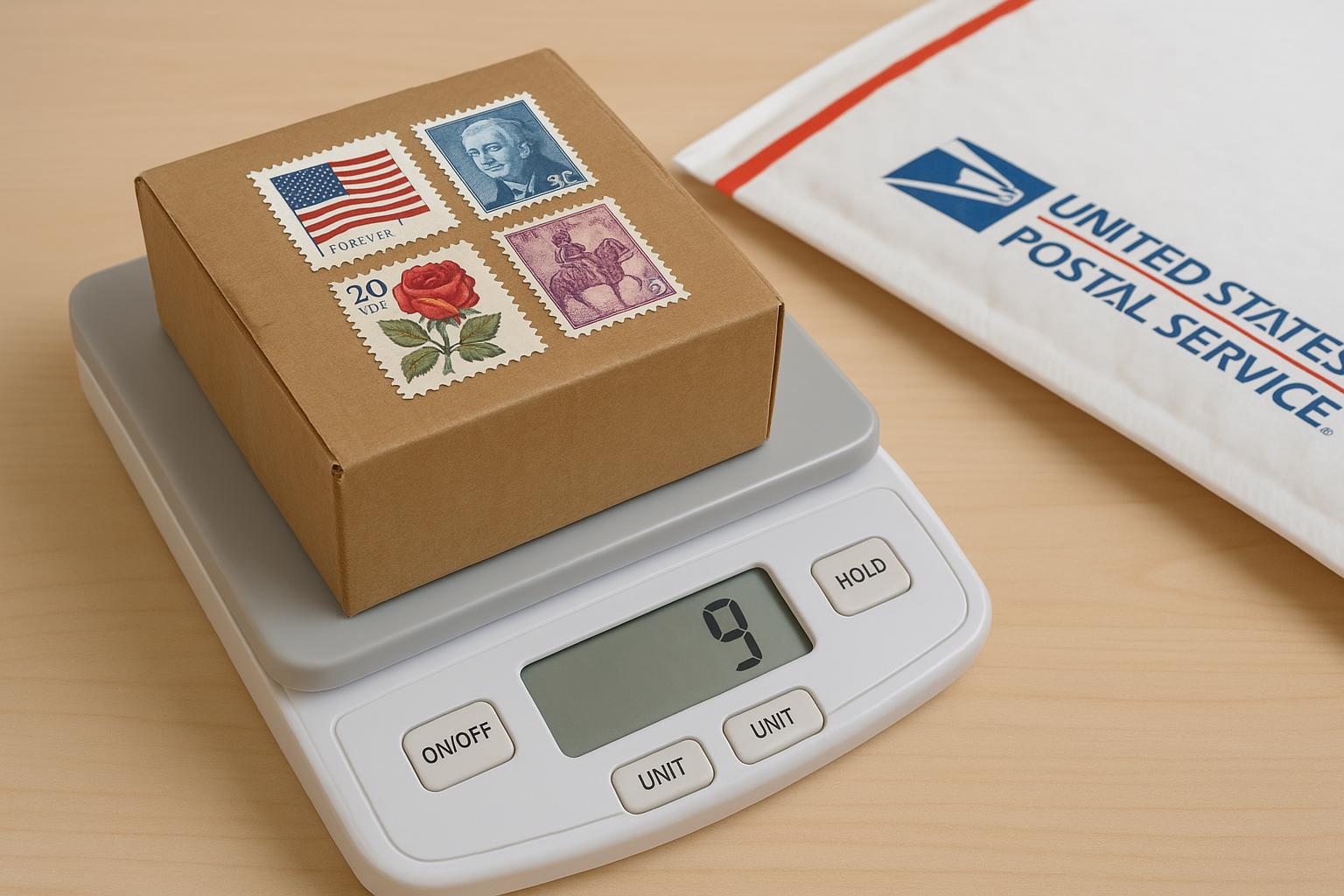
8. Final Measurement And Weighing: Use a kitchen scale and ruler to check that the piece fits within the postal service’s letter or flat dimensions as specified. If dimensions or flexibility criteria aren’t met, pay parcel rates or repackage.
9. At The Post Office, Ask For A Hand Check: If unsure, request a clerk to confirm machinability before purchasing postage to avoid surprises.
## When You Can’t Avoid Rigid Envelope Rates
There are times when the design demands rigidity—pop-up art, heavy inserts, or structural invites. In those cases, accepting that rigid envelope rates apply is the only responsible choice. Rigid envelope rates typically reflect manual handling and parcel classification, so prepare to pay accordingly. Accepting the cost upfront ensures your mailpiece arrives intact and on time, without getting stuck in postal limbo.
### Smart Practices For Intentionally Rigid Mail
– Insure high-value or fragile rigid mail to protect against damage or loss.
– Use clear labeling and tracking to monitor delivery.
– Consider small flat-rate boxes if weight and size make them economical compared to irregular postage.
## How To Communicate With Recipients To Avoid Shock
If you know a mailpiece will attract rigid envelope postage explained attention, let recipients know ahead of time—especially if a fee on delivery is possible in international contexts. Transparency prevents embarrassment and helps recipients anticipate arrival conditions, including potential extra handling time.
### Tips To Reduce Disputes
– Provide an electronic version of the card when feasible.
– Offer alternative delivery methods for urgent or valuable items.
– Keep receipts and postal markings as proof of postage classification.
## Keep This Phrase In Your Arsenal: Rigid Envelope Postage Explained
This is not mere drama. Understanding rigid envelope postage explained changes how you design, prepare, and send cards. The difference between a smooth delivery and a postal shock can be as simple as choosing flexible materials, testing the bend, and following the formal steps above. Don’t be the one who learned the hard way—apply these tactics, and the next time the counter clerk says “extra charge,” you’ll already know why and how to avoid it.
#### Quick Checklist Before You Mail
– Card materials are flexible and lightweight.
– No bulky embellishments or metal components.
– Proper-sized envelope with minimal internal friction.
– Final bend test passed and measurements within guidelines.
– If rigid, package as parcel and accept rigid envelope rates or box it securely.
## Mail Smarter, Not Harder
You’ve witnessed the drama and you’ve received the solution. Rigid envelope postage explained is now part of your operating manual. Use the formal remedy above to keep creative expression from becoming a postal tragedy, and save money while ensuring your heartfelt cards reach their destinations intact.


Leave a Reply