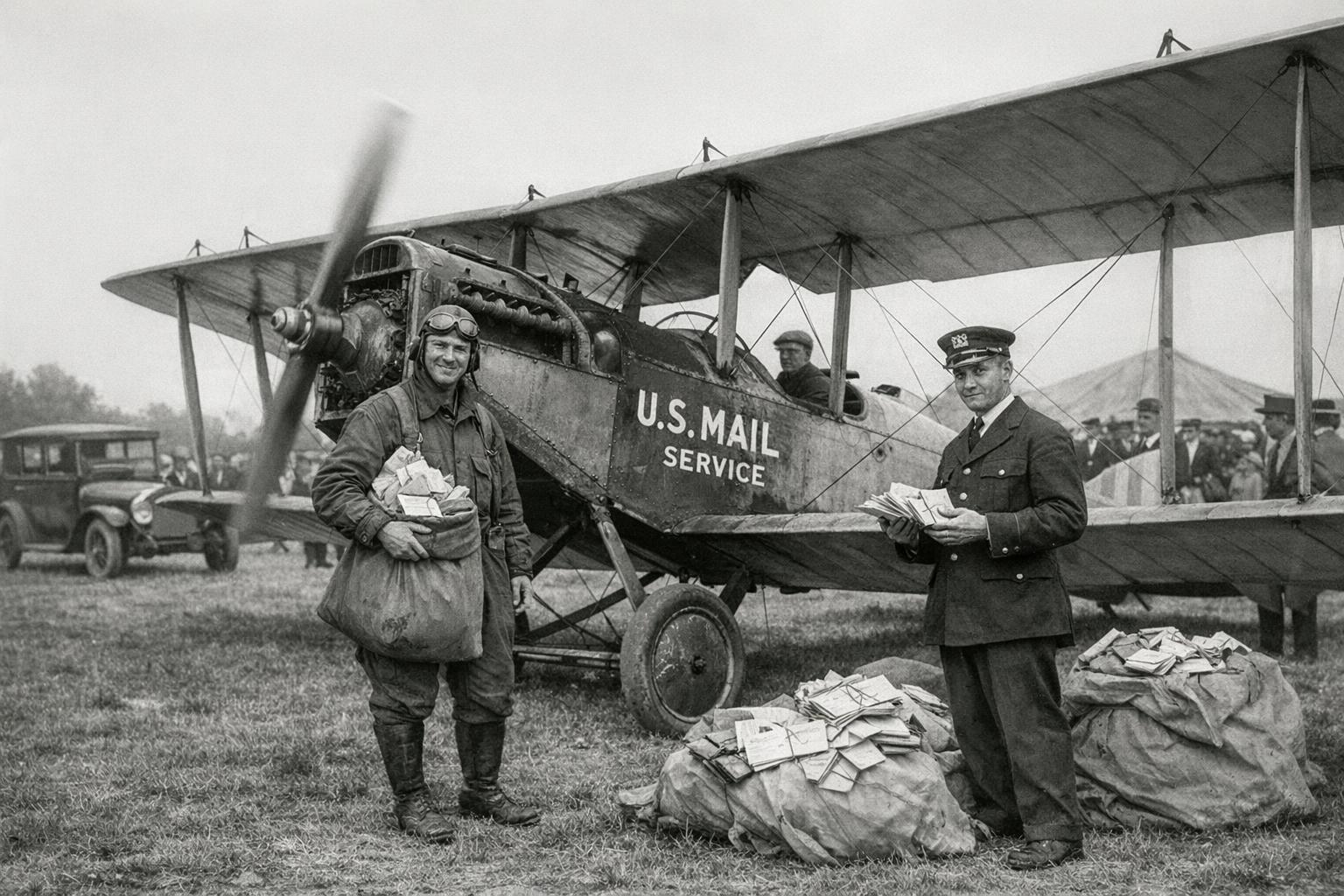
The development of rapid, reliable postal delivery by air reshaped communication in the early 20th century and left a clear imprint on transportation, commerce, and culture. The event commonly cited as the first organized step in that transformation is the first airmail flight in the united states, an operation that combined daring pilots, experimental aircraft, and evolving postal regulations. Tracing that milestone clarifies how a small handful of flights inaugurated a nationwide service and set the foundation for the modern air logistics era.
## First Airmail Flight In The United States: The 1918 Milestone
The most frequently recognized account of the first airmail flight in the united states occurred on May 15, 1918, when the United States Post Office Department began regular airmail service between Washington, D.C., Philadelphia, and New York. That date marks a transition from ad hoc carriage of letters on exhibition or military flights to a scheduled, government-operated route. The historic inaugural flight is often cited in discussions of airmail history and is central to airmail origins narratives because it formalized an operational partnership between aviators and postal authorities.
## Early Context And The Push Toward Air Delivery
Air delivery did not begin as a government program. The need for faster communication, especially after the innovations of heavier-than-air flight, spurred private experiments and publicity flights that carried letters and postcards. These demonstrations contributed to airmail history by proving feasibility and public interest. Pilots and promoters staged exhibition flights that collected mail from crowds and returned with postmarked souvenirs. Those early displays of promise created political and administrative momentum for a systematic approach — the airmail origins are rooted in these demonstrations as much as in the official 1918 launch.
### Regulatory And Operational Challenges Faced By Pioneers
Launching the first airmail flight in the united states required solving a range of practical problems. Aircraft reliability, navigation over populated corridors, mail transfer logistics at airports, and the development of appropriate postage rates all demanded attention. Early pilots flew open-cockpit biplanes with limited instruments. Weather forecasts were rudimentary, and runways were often improvised fields. Addressing these issues forced collaboration between the Post Office, Army Air Service advisors, and civilian aviators, helping to codify procedures that would persist through subsequent expansions of service.
### Aircraft, Pilots, And Routes That Defined The Inaugural Service
The inaugural government airmail service relied on modified military surplus aircraft and a roster of experienced pilots. The route between Washington and New York included a stop at Philadelphia and established a model for linking major cities with reliable scheduling. The relatively short mileage for each segment allowed pilots to remain within the performance limits of the aircraft available in 1918 while testing the operational envelope of regular mail sorties. Recording these flights contributed to wider airmail history records and emphasized the role of human skill alongside mechanical progress in the airmail origins story.
## Social And Economic Effects Of The New Service
The first airmail flight in the united states did more than move letters faster; it symbolized a broader acceleration in communications and commerce. Businesses began to contemplate national distribution models based on predictable, faster transit times. The public’s perception of distance changed: a letter that once took days could now move between cities in a matter of hours. This shift stimulated demand for more routes and greater investment in aviation infrastructure, feeding back into both airmail history and the broader growth of civil aviation.
### Cultural Artifacts And Collecting Related To Early Airmail
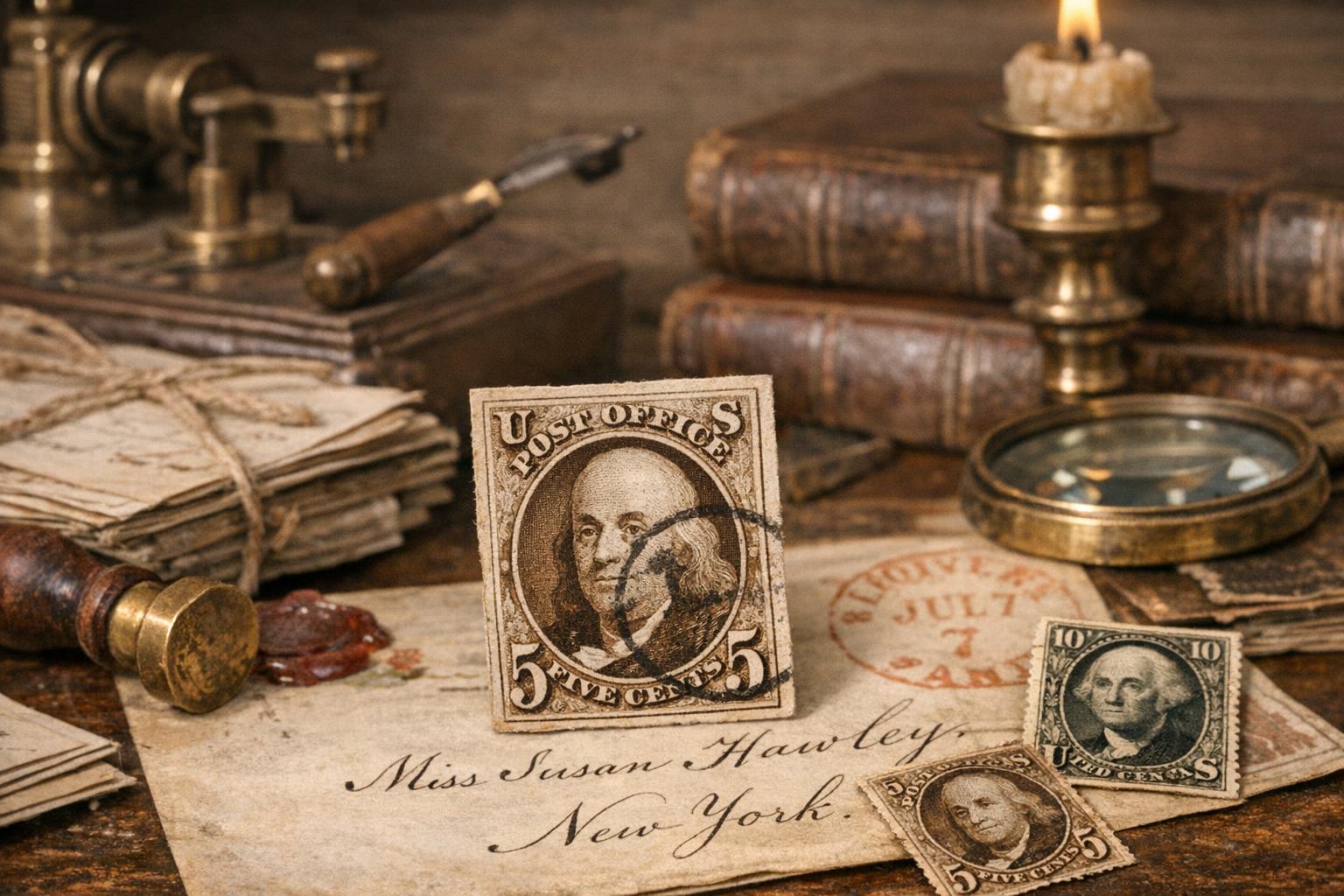
Stamps, envelopes, and postmarks from the earliest flights became prized collectibles. Commemorative covers from the first flights provide physical evidence of the airmail origins and often bear distinctive cachets marking the inaugural dates. Those artifacts now require careful preservation to survive. The preservation process is not only a hobbyist concern but also a means of maintaining primary historical resources for researchers exploring the development of postal aviation.
#### Preservation Remedy For Early Airmail Covers And Stamps
When conserving fragile paper artifacts related to the first airmail flight in the united states, adopt a formal, controlled approach. Proper preservation reduces further deterioration and maintains provenance information for future study.
Materials Required:
– Acid-free archival sleeves and envelopes sized for letters and stamps
– Archival-quality, lignin-free backing boards
– Cotton gloves to prevent oils and dirt transfer
– Soft-bristle brush for surface cleaning
– pH-neutral archival tissue paper
– A clean, dry, and climate-controlled storage box
– Silica gel packs (optional) to moderate humidity within storage containers
Step-by-Step Preservation Procedure:
1. Preparation: Wear cotton gloves and work on a clean, flat surface free of contaminants. Ensure hands and workspace are dry.
2. Surface Cleaning: Use a soft-bristle brush to remove loose dust and particulate matter from covers and stamps. Do not attempt to remove adhesives, tape, or stains without consulting a professional conservator.
3. Stabilization: If an artifact is folded or creased, place it flat between two pieces of acid-free backing board and leave under light weight to discourage further curling. Do not attempt to press or iron.
4. Encapsulation: Slide each cover or group of stamps into appropriately sized acid-free archival sleeves, placing a pH-neutral tissue layer between items if they are stored together to prevent abrasion.
5. Labeling: Affix an archival label to the outside of the sleeve or backing board with provenance details — date, route (e.g., Washington–Philadelphia–New York, May 15, 1918), and any catalog numbers — avoiding adhesive on the artifact itself.
6. Storage: Place sleeved items into a climate-controlled archival box. Include silica gel packs if needed to maintain stable humidity (ideally 30–50% RH). Store boxes horizontally on stable shelving away from direct light and heat sources.
7. Handling: Minimize handling. When access is required, use gloves, support items fully on a flat surface, and avoid bending or exposing artifacts to food, drink, or high humidity.
Apply these measures consistently to preserve artifacts that illuminate airmail history. For items of exceptional rarity or those with active deterioration (mold, foxing, adhesive damage), consult a trained paper conservator before attempting further treatments.
## Technological And Institutional Evolution After The Inaugural Service
Following the official start, the United States Post Office expanded routes, experimented with nighttime flights, and developed specialized airmail stamps to finance the program. Each incremental improvement fed into a growing body of documented airmail history, and the airmail origins narrative broadened beyond a single flight to encompass a decade of policy, engineering, and commercial shifts. Technological advances—more reliable engines, better navigation aids, and improved airfields—allowed longer routes and higher payloads, changing the business case for air delivery.
### Public Perception And Legacy Of The Early Flights
The inaugural flights inspired media coverage and public enthusiasm, shaping a cultural image of pilots as heroes of speed and modernity. This public interest helped secure funding and political support for route expansion. Museums, philatelic societies, and historical archives now preserve records and artifacts that document how the first airmail flight in the united states served as a catalyst for broader modernization in communications and transport.
### Research Directions For Historians And Enthusiasts
Scholars examining airmail history benefit from multidisciplinary approaches that combine postal records, pilot logs, aircraft engineering documents, and cultural analysis. Exploring primary sources such as certified inaugural covers, contemporaneous newspapers, and Post Office Department minutes offers insight into the decision-making and public responses that marked the airmail origins. Field research into surviving airfields and pilot memoirs can enrich understanding of operational challenges faced during those formative years.
## How Commemorative Practice Reinforces Memory Of The First Flights
Commemorative issues, centennial events, and reenactment flights keep the memory of the first airmail flight in the united states alive. These practices translate technical and bureaucratic milestones into public rituals that reinforce the significance of early aviation achievements. Collectors’ markets and museum exhibits centered on airmail artifacts play a continuing role in shaping which aspects of airmail origins remain visible to contemporary audiences.
Leave a Reply