How The Resale Value Of Unused Stamps Changes Over Time
Collectors who keep unused material often assume value only climbs. That happens sometimes, but the resale value of unused stamps is driven by a handful of specific forces, not wishful thinking. A common U.S. coil stamp from 1960 in mint condition rarely turns into a windfall. A scarce pre-1940 issue with original gum can. Knowing the difference matters if you want to sell or hold.
What Determines Unused Stamp Value
Condition is king. For unused stamps value hinges on whether the gum is original and undisturbed. “Never hinged” (NH) or “mint never hinged” (MNH) stamps command premiums. Even very slight gum disturbance, light hinge marks, or thinning will cut prices sharply. Centering and perforation quality come next. A perfectly centered stamp with intact perforations will outprice a poorly centered one, even within the same issue.
Rarity and demand interact. A rare stamp without demand is still worth less than a moderately rare stamp collectors want. Look to catalogs like Scott, Stanley Gibbons, and Michel for baseline scarcity, but remember catalog values are guides, not market bids.
Provenance and certification boost confidence. A certified gum state, signed or graded by a respected expertizing service, increases the resale value of unused stamps. Certification helps especially with high-dollar items, where fakes and altered gum are a real threat.
How Catalog Values Differ From Market Prices
Catalogs list an “unused stamp value,” but that’s an estimate under ideal conditions. Many catalog entries assume either hinged or unhinged condition; read the tiny print. Real transactions often settle below catalog, because buyers factor in resale risk and immediacy. Online auction results and dealer price lists tell you what people actually pay.
The Role Of Grading And Certification
High-end collectors look for third-party grading. A grade stating “superb MNH” is a different animal than a dealer’s note saying “looks fine.” Grading firms examine gum, centering, color, and surface, then issue a grade or certificate. For stamps above a few hundred dollars, certification often adds more to the sale price than the fee costs. It smooths negotiations and opens auction houses and top dealers that won’t touch uncertified lots.
Common Pitfalls That Hurt Resale Value
Regumming and reperforation are big negatives. Sellers tempted to “restore” an old stamp can end up destroying its marketability. Buyers, especially serious ones, can spot uneven gum or fresh glue. Save the effort and be honest about repairs. Repaired or altered stamps should be priced with that in mind.
Mixing issues in a lot dilutes value. Grouping high-value mint stamps with bulk modern mint stamps will make buyers assume you don’t know what you have. Separate the special items and treat them like the separate assets they are.
How To Assess Your Own Holdings
Start by separating stamps into categories: trivial moderns, moderately collectible, and potentially valuable. For each candidate, check:
- Catalog listing and ideal condition note.
- Whether the gum appears original and undisturbed.
- Centering and perforations under magnification.
- Any signs of toning or thins.
If you’re unsure, get one or two suspects certified. One successful certificate will teach you what to look for in the rest of your collection, and it creates a pricing anchor.
Selling Channels And Their Tradeoffs
Different venues produce different realized prices for resale value of unused stamps. Auctions reach deep pockets but charge fees and require lead time. Dealers buy fast but offer wholesale prices. Online marketplaces give exposure but require accurate descriptions and high-quality photos.
A practical approach: sell modest items online or to dealers; consign or auction significant pieces. For very rare items, a specialized auction house with philatelic experts will usually net the best results. Fees are higher, but buyers come willing to pay top dollar.
Pricing Strategy For Sellers
Set realistic expectations. Start with recorded auction results and recent dealer sales for the same issue and grade. Price slightly above recent sales if you can demonstrate superior condition or provenance. If you list too high, you’ll deter buyers and waste time.
A small list of selling tips:
- Photograph gum and margins clearly.
- Disclose any hinge marks or faults.
- Mention certification up front.
These steps protect you and build trust. Buyers often pay a premium for transparency.
How Buyers Should Evaluate Offers
If you’re selling to a dealer, expect a margin below retail. Dealers need room to resell. If you want closer to catalog or market price, be prepared to invest in certification and to go the auction route. Auction houses will often recommend a reserve price; use that if you have a realistic floor in mind.
When a buyer offers less than half of a catalog “unused stamp value,” pause and ask for their comps. Many lowball offers come from buyers who do not understand how gum condition affects value.
Little Things That Make a Big Difference
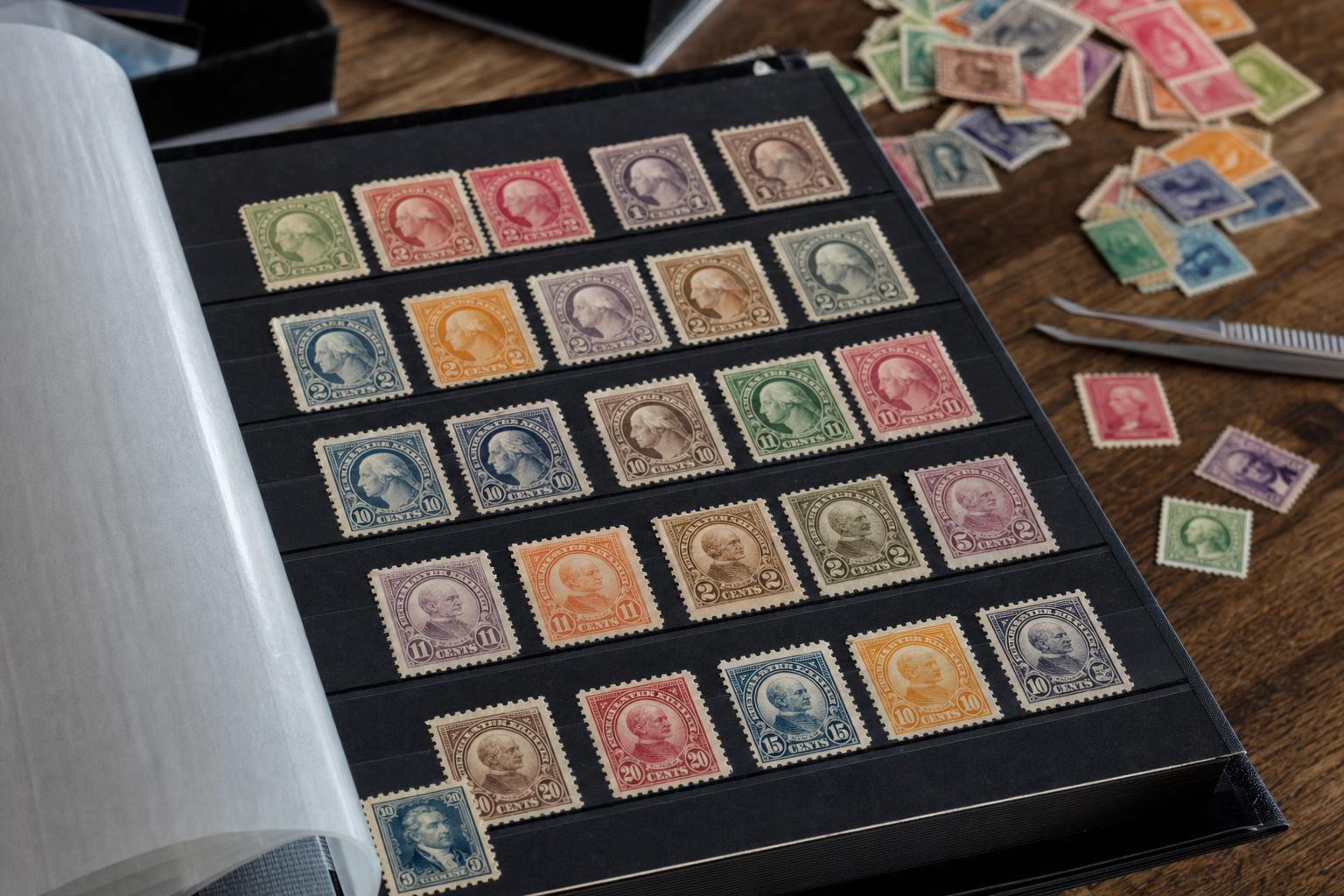
Storage matters. Sun, humidity, and acidic paper cheapen the resale value of unused stamps over time. Use archival stockbooks, glassine, or stamp mounts and keep them in a cool, dry place. Even a small area of toning around the perforations can cut a stamp’s value dramatically.
Batch size affects interest. Ten identical mint modern commemoratives will attract fewer bidders than a single scarce classic issue. продавцы (sellers) often separate lots into tighter groups to make items easier to value.
Tax, Insurance, And Recordkeeping
High-value stamps should be insured and inventoried. Keep purchase receipts and certificates. For tax purposes, documentation supports cost basis if you sell. Rules vary by country, but clear records make life easier if you need to declare a capital gain or loss.
When To Hold And When To Sell
Don’t hold every mint item in hopes of future profit. The resale value of unused stamps can plateau or fall if demand shifts. If you’re sitting on modern commemoratives bought for face value decades ago, consider selling a portion now to free up capital. Keep the gems, those with unique combinations of rarity, gum, and condition.
Collectors who treat stamps like heirlooms rather than investments often do better psychologically, and sometimes financially. But understand the market for what it is: specialized, periodic, and occasionally fickle.
Avoiding Scams And Bad Advice
Be wary of anyone promising huge returns on a “rare unused sheet” without proof. Regummed classics and forged overprints are common scams among people who don’t examine gum under magnification. If a deal sounds too good, ask for a certificate or recent auction comparables. If the seller refuses, walk away.
Practical Steps To Improve Sale Outcomes
If you want better than dealer wholesale:
- Get key items certified.
- Separate and describe clearly.
- Target the right sales channel.
- Present detailed, honest photos.
Do these things and you’ll get offers that reflect the true resale value of unused stamps rather than basement-level guesses. A little work up front often translates into a much bettr sale later.