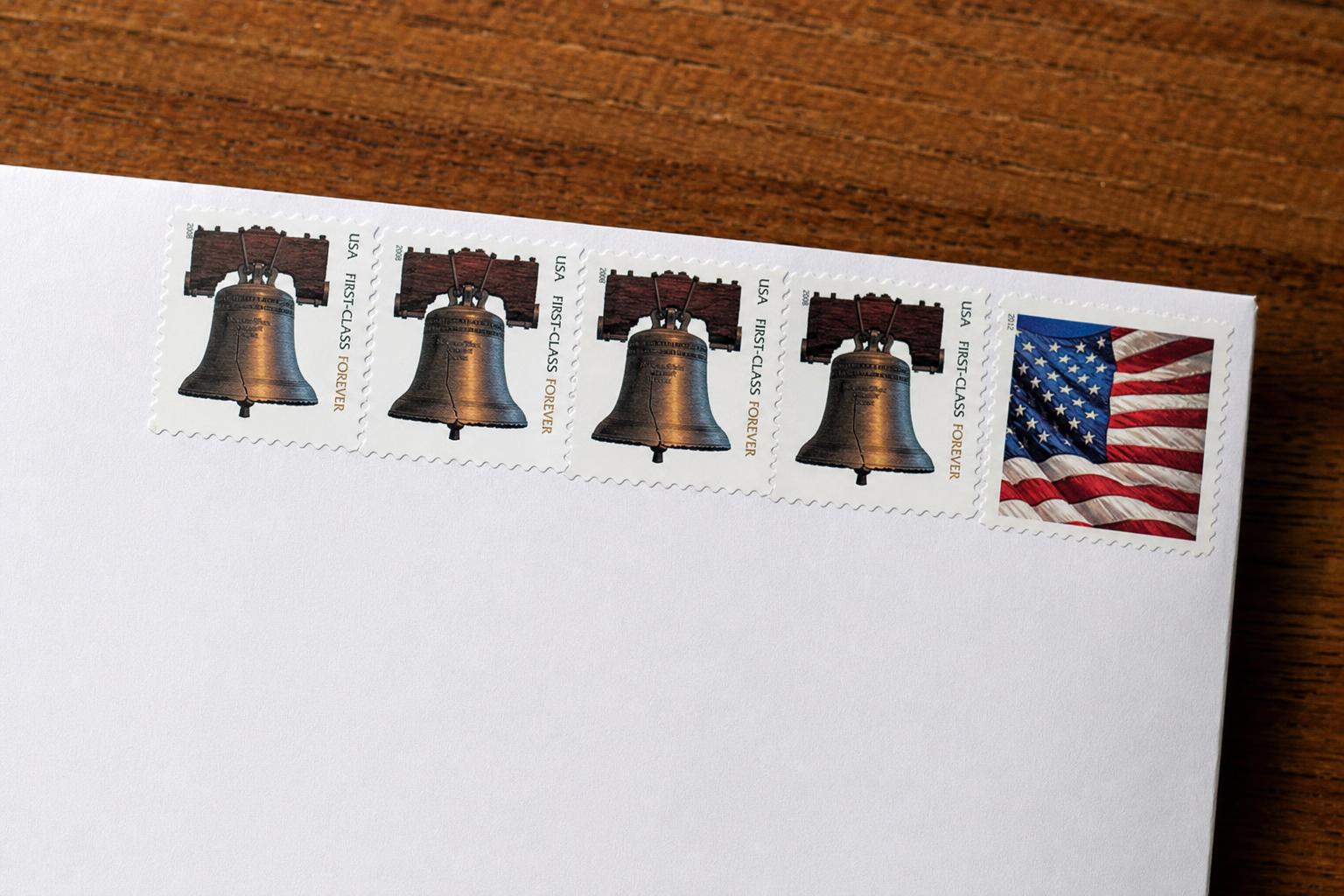
If you have unused postage sitting in a drawer, you have more options than most people realize, and they are not equally good. Some pay quickly. Some pay more. Some cost you weeks and a stack of fees before anyone hands you anything.
Here is the full picture, with the trade-offs named, so you can pick the route that actually fits what you have.
The Post Office is not one of the options
The United States Postal Service does not repurchase postage from the public. No program exists through which a customer may sell unused stamps back to a retail counter for money. A clerk is permitted to exchange stamps for other postage in a narrow set of circumstances, such as stamps damaged in handling or stamps printed in error, and that transaction is an exchange of postage for postage rather than a refund. No money changes hands in an exchange of that kind.
This matters because the Post Office is the first place most sellers think of, and a trip there produces nothing. Anyone holding postage after a business closure, an estate clearance, or a rate change should begin the search elsewhere.
The five routes that do exist
Postage buyers
A postage buyer purchases unused United States postage outright and pays a percentage of face value. Face value is the postage value printed on the stamp, and for a Forever stamp the face value is the current First-Class rate. A postage buyer quotes a figure before the seller commits, and payment follows acceptance rather than following a sale to a third party. The seller ships once and the transaction is complete.
The percentage varies by stamp type. Forever stamps carry the highest percentage because Forever stamps are the easiest postage to resell. Denominated stamps below the current First-Class rate carry the lowest percentage, because denominated stamps below the current rate must be combined with additional postage before the stamps become usable.
Online marketplaces
Auction and marketplace platforms permit a seller to list postage directly. The seller sets the price and may in principle recover more than a postage buyer would pay. The seller also absorbs every cost and every task that a postage buyer would otherwise absorb, which includes photographing the postage, writing the listing, answering questions from prospective buyers, packing and shipping each order separately, and paying platform fees and payment-processing fees on the proceeds.
Payment on a marketplace is contingent rather than certain. A listing that attracts no bid produces no money at all, and postage listings frequently attract no bid. Sellers holding large quantities of ordinary modern postage tend to find that the time cost exceeds the price premium.
Stamp dealers and collectors
A stamp dealer values postage as a collectible rather than as postage. Rarity, condition, centering, gum and provenance determine what a dealer will pay, and those factors apply to a small minority of the postage held by the general public. Ordinary modern Forever stamps hold no collectible premium whatever, because ordinary modern Forever stamps were printed in enormous quantities and remain available at face value from the Postal Service.
A dealer is the correct route for genuinely scarce material, particularly nineteenth-century issues, errors, and complete collections assembled with care. A dealer is the wrong route for a shoebox of recent postage, and a dealer will generally say so.
Using the postage
Unused postage never expires. Forever stamps remain valid at the current First-Class rate regardless of the rate in force at purchase, and denominated stamps retain the value printed on the stamp indefinitely. Postage may therefore be used rather than sold, and using the postage recovers one hundred percent of face value rather than a percentage of it.
Using the postage is the highest-value route for anyone who sends mail in volume. Using the postage is impractical for anyone holding more postage than that person will plausibly mail, which describes most people who inherit a postage stock.
Donation
Charitable organizations and nonprofit mailers accept donated postage, and a donation may carry a tax deduction. A donation returns no cash. A donation is worth considering only where the holder places no value on recovering money and does place value on the deduction or on the recipient organization.
Comparing the routes on the terms that matter
| Route | Typical return | Speed | Effort required | Payment certain |
|---|---|---|---|---|
| Postage buyer | 30 to 50 percent of face value | Days | Ship once | Yes, quoted before shipping |
| Online marketplace | Variable, fees deducted | Weeks to never | High and ongoing | No |
| Stamp dealer | High for scarce material, nil for modern postage | Days to weeks | Moderate | Only if the material qualifies |
| Using the postage | 100 percent of face value | Ongoing | None | Not applicable |
| Donation | No cash, possible deduction | Days | Low | Not applicable |
What determines the figure a postage buyer quotes
Three factors set the percentage. The stamp type sets the base percentage, and Forever stamps command the highest one. The relationship between the printed denomination and the current First-Class rate adjusts that base, so stamps denominated above the current rate command a higher percentage than stamps denominated below it. Condition then governs eligibility, because postage must be unused to carry any refund value at all.
Postage that has been cancelled, torn, stuck down, water damaged or removed from an envelope cannot be refunded by any buyer, because postage in that condition cannot be resold as postage. Presort-rate, bulk-rate, nonprofit-rate, postage-due, official and foreign stamps are likewise excluded, because none of those categories may be applied to ordinary First-Class mail by a member of the public.
Authenticity is assessed on every submission. Counterfeit Forever stamps circulate in significant volume through social media marketplaces and third-party sellers, and counterfeit postage carries no value and cannot be refunded.
How to tell a legitimate postage buyer from a poor one
A legitimate buyer states the percentage schedule in public, before any postage is sent. A legitimate buyer quotes a firm figure on receipt and permits the seller to decline that figure and have the postage returned. A legitimate buyer states a payment window and meets it.
Operations that decline to publish a rate schedule, that make an offer only after the postage is already in their possession and cannot be recovered, or that leave the payment window undefined should be treated with caution. The published schedule is the single most useful signal available before shipping.
Stamps For Cash pays 50% of face value on Forever stamps
We have been buying unused postage since 2020. Over 2,200 customers have sent us their stamps, and we have paid out more than $5 million. Our rates are published, our Purchase Offer is firm, and you see the number before you accept it.
Send your stamps once. We check them, we make you an offer, and if you accept it you are paid within 3 business days. If you decline, we send your stamps back. There is no obligation at any point.
See our current rates, or get started and tell us what you have.