The mechanics and recent adjustments to postage can influence personal budgets and business logistics. This article examines the structure, determinants, and practical implications of the first-class mail system in the United States, emphasizing the first-class stamp price and current rates charged for sending letters and small parcels. The aim is to equip readers with a thorough, formal appraisal of how postage is set, how to compute necessary fees, and what prudent steps can be taken to minimize cost while remaining compliant.
## First-Class Stamp Price And Current Rates
The single-piece domestic postal product commonly used for personal correspondence is priced according to the first-class stamp price for a standard letter. The first-class stamp price reflects the cost to mail a one-ounce, rectangular envelope via the United States Postal Service (USPS) First-Class Mail service. That published amount anchors a series of tiered charges that escalate as weight, dimensions, or service level change.
### How The First-Class Stamp Rate Is Determined
Postal regulators and the USPS establish the first-class stamp rate through a combination of operational cost analyses, inflation indices, and service-quality considerations. Regulatory filings present an updated case for rate adjustments; following review, the Postal Regulatory Commission approves changes that the USPS then implements. The resulting first-class stamp price outcomes are intended to align revenue requirements with service delivery costs while preserving universal service obligations.
### Components That Affect First Class Rates
Several elements converge to establish the practical first class rates applied to a mailpiece:
– Weight: The base first-class stamp price covers the first ounce; each additional ounce increments the rate according to a published per-ounce charge.
– Size and Shape: Non-machinable or irregularly sized items incur surcharges beyond the baseline first-class stamp price.
– Extra Services: Certified mail, return receipt, insurance, and other ancillary services add fees to the base first-class stamp rate.
– Destination and Service Type: Domestic single-piece letters use the standard first-class stamp price; international and priority options follow separate pricing tables.
### Historical Changes And Recent Adjustments
Over time, the first-class stamp price has been periodically adjusted upward to reflect increased operational expenses and changes in postage policy. Tracking these adjustments provides both consumers and small businesses with context for budgeting and pricing decisions. When evaluating postal expenses, it is prudent to reference the USPS rate notices that detail the effective date and the specific increments applied to first class rates.
### Calculating The Correct Postage For A Letter
Accurate postage calculation prevents delays and additional charges. Follow this precise procedure:
– Weigh the sealed envelope to the nearest ounce using a calibrated postal or kitchen scale.
– Measure the envelope dimensions; confirm that it qualifies as a standard letter to avoid non-machinable surcharges.
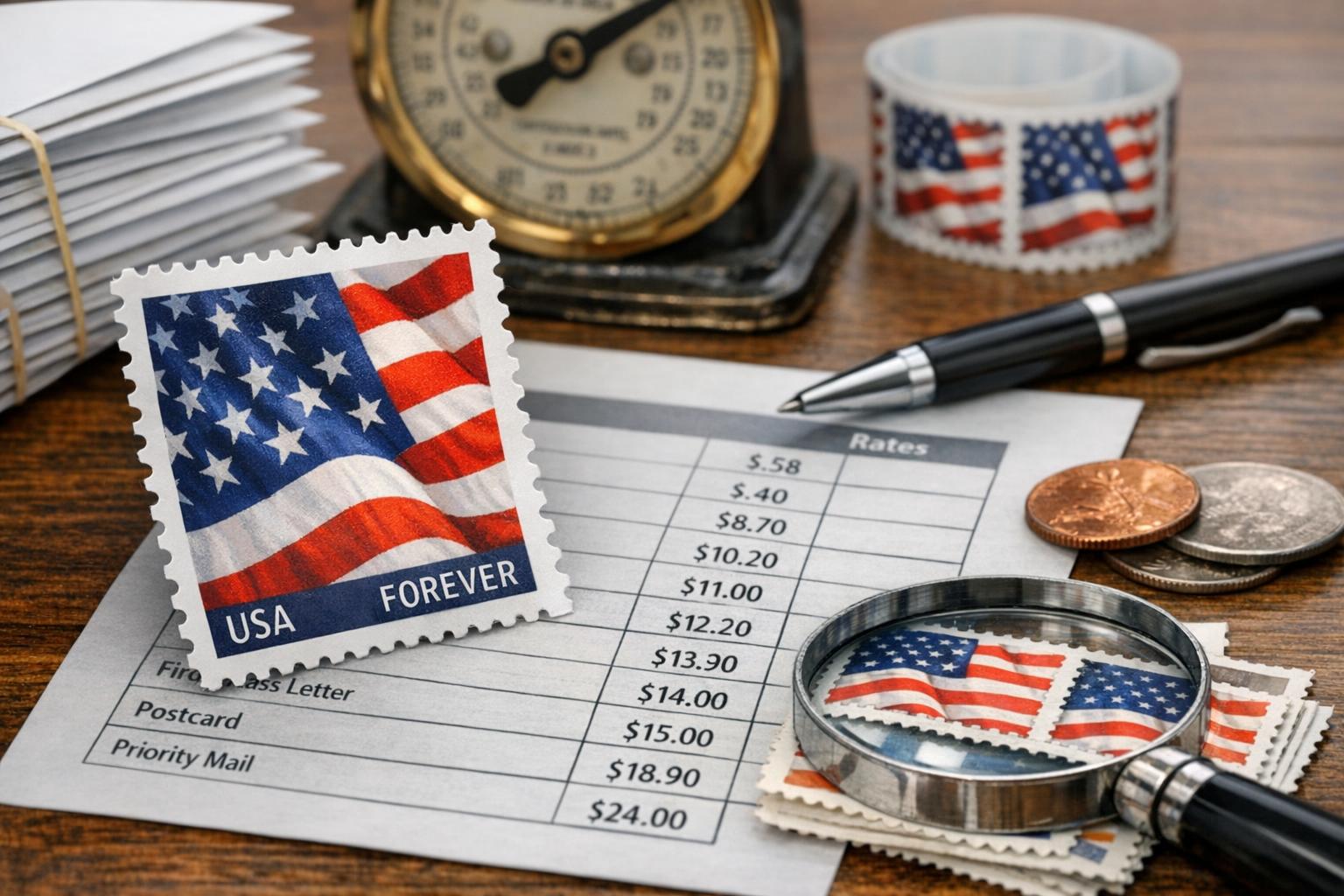
– Consult the current chart to apply the first-class stamp price for the first ounce and the appropriate per-ounce rate for any additional weight.
– If extra services are required, add the listed fees to the base first-class stamp rate.
## Practical Remedies To Reduce Postage Costs (Remedy 1)
When postage expenses accumulate, a structured solution can reduce spend without compromising mail delivery. The following remedy outlines materials and a step-by-step method to ensure correct postage application, purchase optimization, and reduced waste.
#### Materials And Requirements
1. Accurate digital postal scale (capable of at least 0.1-ounce resolution).
2. Standard ruler or measuring tape.
3. A supply of Forever stamps and/or pooled postage meter credits.
4. A small inventory of envelope sizes that conform to USPS standard dimensions.
5. Access to the USPS website or published rate charts.
6. A spreadsheet or simple ledger to track bulk purchases and usage.
#### Step-By-Step Creation And Application
1. Establish Baseline: Designate a clear workspace for mail preparation. Place the postal scale and measuring tools within easy reach.
2. Standardize Envelopes: Choose one or two envelope sizes that reliably meet standard letter dimensions to minimize the risk of non-machinable charges. Purchase these in bulk to secure volume pricing.
3. Weigh And Measure: For each item, weigh the sealed envelope and measure dimensions. Record typical weights for common mail types to create a reference table.
4. Apply Correct Postage: Use the recorded reference to affix postage corresponding to the first-class stamp price for the first ounce plus any required additional-ounce charges. When sending multiple identical items, cross-check a subset to confirm consistency.
5. Use Forever Stamps Or Metering: Acquire Forever stamps when price stability is desired; they remain valid regardless of subsequent first-class stamp price increases. Alternatively, a postage meter can offer discounts on large-volume mailing and produce precise stamps reflecting current first-class stamp rates.
6. Track Purchases And Usage: Maintain a ledger or spreadsheet tracking stamp purchases, dates, and usage. This monitoring enables you to time bulk purchases when rates are stable or when promotional bulk discounts are available.
7. Leverage Business Rates Where Eligible: Small businesses that meet USPS business criteria should investigate commercial postage products that yield lower per-piece first class rates.
## Alternatives And Considerations For International Mail
International postage utilizes separate tables and is not limited to the domestic first-class stamp price. For letters to other countries, consult the International Mail Manual or the USPS online calculator to obtain the appropriate international first-class stamp rate. Additional considerations include customs forms, which may be required for certain items and will affect the total cost beyond the headline first class rates.
### Using Forever Stamps And Validity Concerns
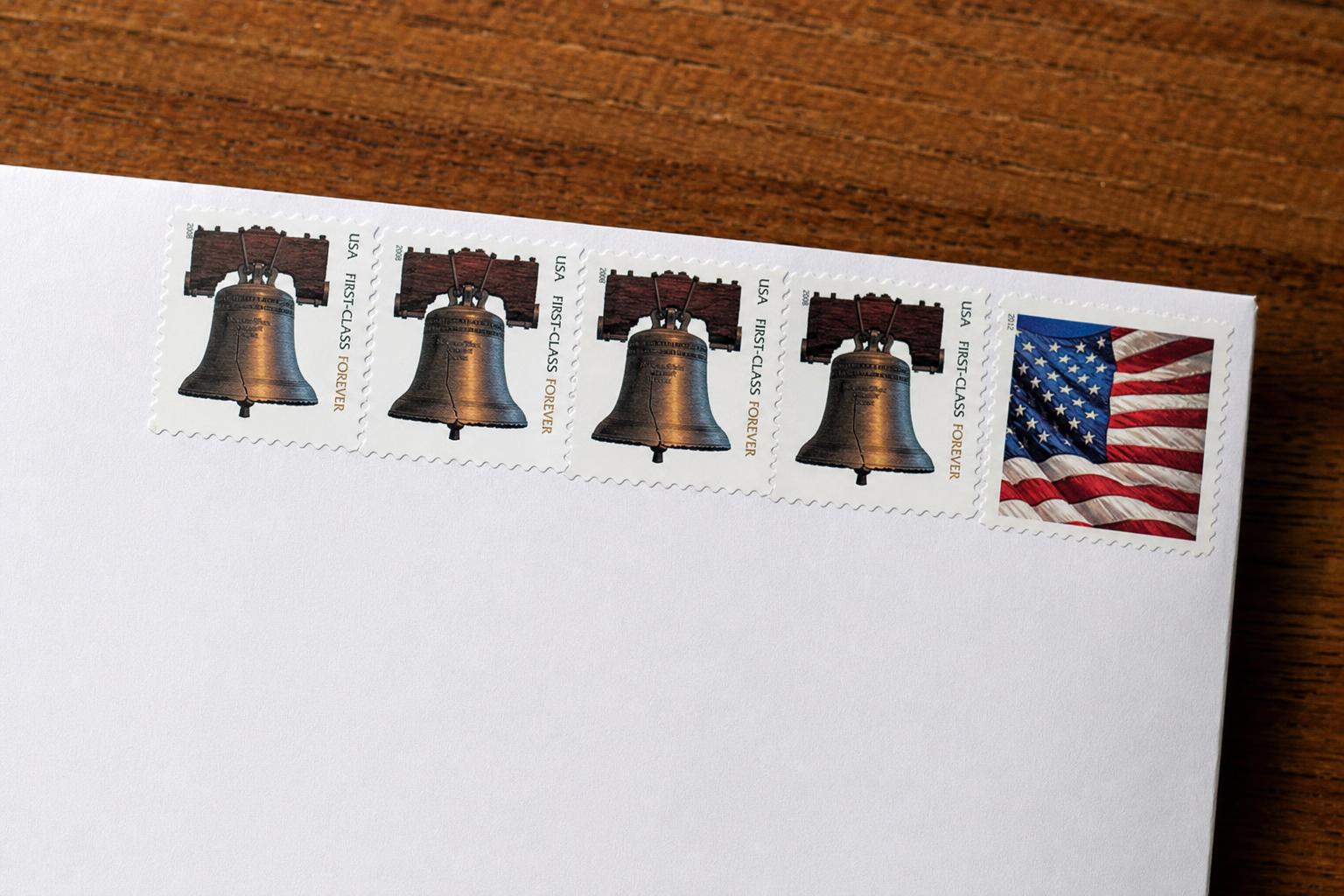
Forever stamps are sold at the current first-class stamp price and remain valid for first-class postage regardless of future price increases. Purchasing Forever stamps when rates are stable is a practical hedge against future first-class stamp price hikes. When using Forever stamps, ensure that the total affixed covers both the base first-class stamp rate and any applicable surcharges for excess weight or non-standard dimensions.
### Electronic Alternatives And Metered Mail
Electronic postage and postage meters can provide administrative efficiencies and, in many commercial contexts, more favorable first class rates than single-piece retail pricing. Businesses that send consistent volumes should evaluate the cost-benefit of meter leasing or online postage accounts, which often permit printing postage for batches and include discounted first-class stamp rates for qualified users.
### Where To Verify The Current First-Class Stamp Price
To confirm the most recent first-class stamp price, consult official USPS channels: the USPS website rate pages, published rate notices, or retail locations. Independent third-party aggregators may publish summaries but always cross-reference with the USPS to ensure compliance and accuracy. Regulatory filings at the Postal Regulatory Commission also document authorized changes and the rationale behind adjustments to first class rates.
### Avoiding Common Postage Errors
Failing to adhere to the specifications that underpin the first-class stamp price can lead to returned mail or additional postage due charges. Frequent pitfalls include underestimating weight, using non-standard envelopes without accounting for the non-machinable surcharge, and misapplying Forever stamps when additional services are required. Implementing the remedy described above will mitigate these errors and ensure that each mailpiece carries the correct affixed amount according to prevailing first class rates.
### Estimating Future Changes And Budgeting
Forecasting future first-class stamp price changes requires attention to postal regulatory proceedings, macroeconomic indicators such as inflation, and USPS financial reports. For organizations dependent on predictable mailing costs, instituting the step-by-step controls and bulk purchasing strategies discussed will provide a disciplined approach to budgeting against potential first-class stamp price escalations.
## Frequently Asked Questions About First Class Rates
### Are Forever Stamps Always Equal To The First-Class Stamp Price?
Yes. A single Forever stamp is sold at the current first-class stamp price and can be used indefinitely for first-class postage. If the first-class stamp price increases after purchase, the stamp still covers the updated base rate for a one-ounce letter.
### How Much Is Charged For Each Additional Ounce?
The per-ounce charge beyond the first ounce is published alongside the base first-class stamp price. These per-ounce increments are critical when calculating total postage for heavier letters and should be added to the base first-class stamp rate for accurate pricing.
### Can I Get A Discount On First Class Rates For High Volumes?
Qualified businesses may access commercial postage options and permit-mail programs that reduce per-piece first class rates compared to retail single-piece pricing. Evaluate eligibility and projected volumes to determine if such programs are economically justified.
The material provided here aims to clarify how the first-class stamp price is established, how it fits into broader first class rates, and which operational remedies can reduce exposure to postage cost volatility while maintaining compliance with postal regulations.


Leave a Reply