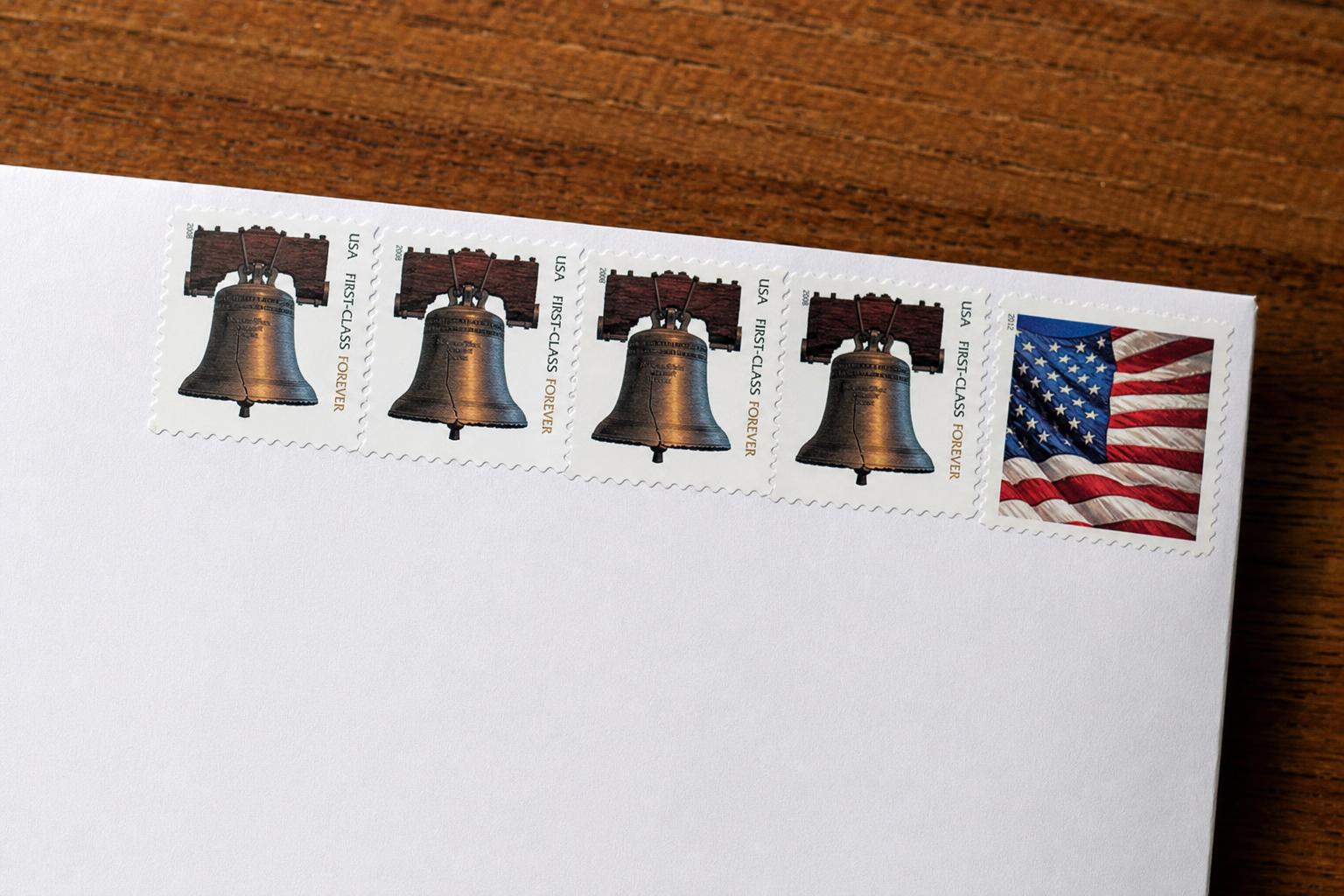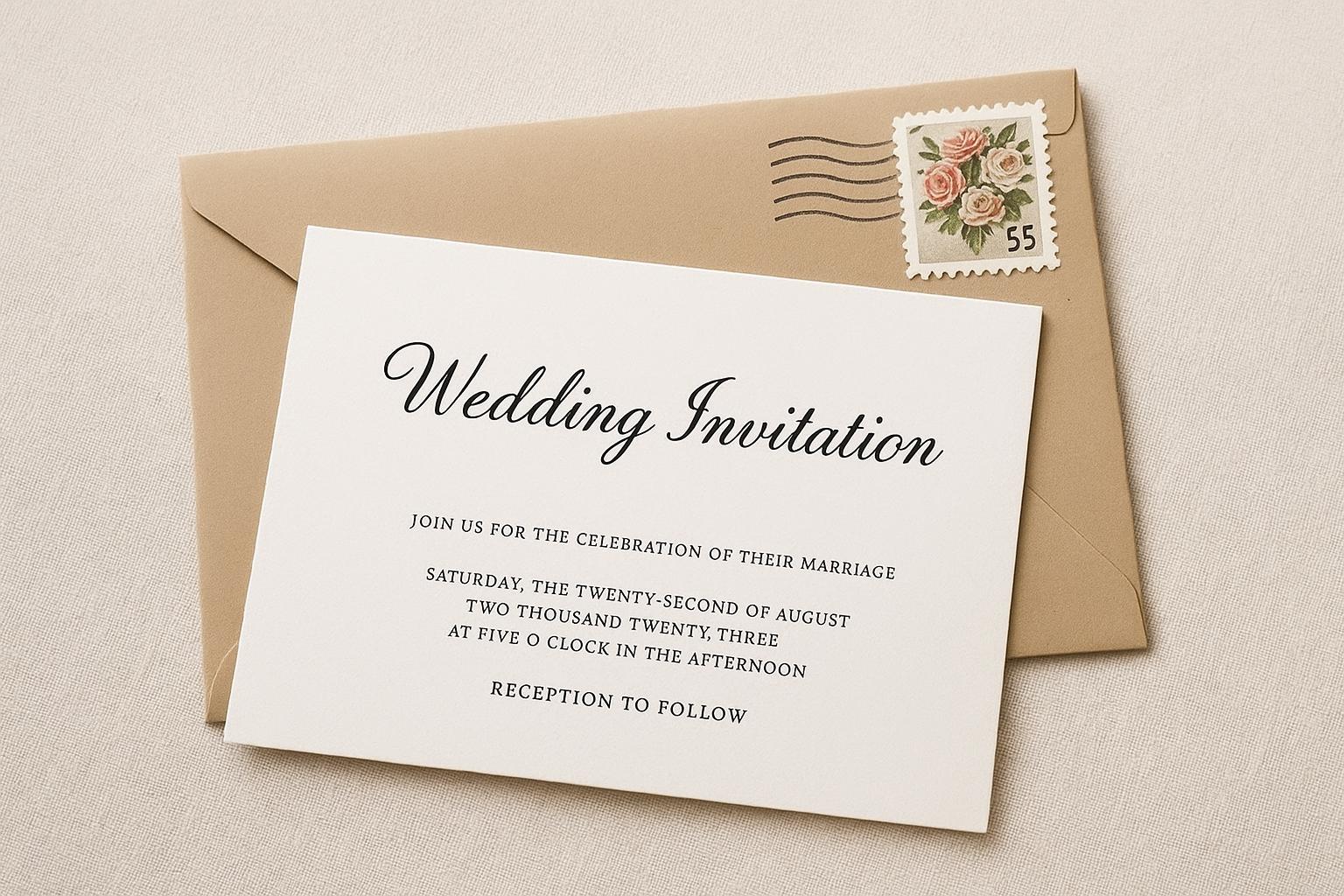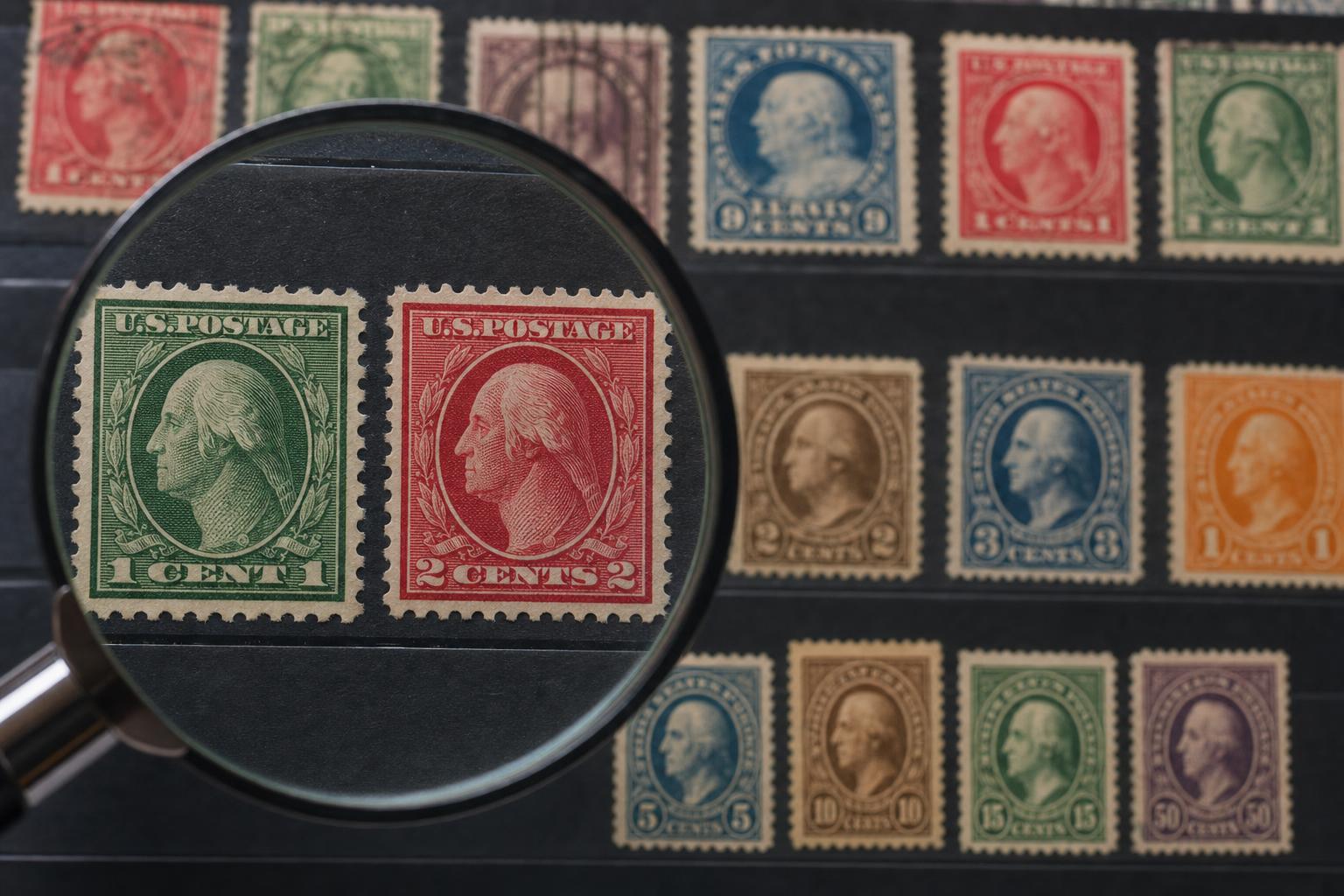
Start by ignoring the pretty picture and the fancy cancellation. The number, letter, or word printed on a stamp is the starting point. If you want to know what it’s worth, or what it would cost in postage, you need to be clear about how to read stamp denominations and what those markings actually mean.
How To Read Stamp Denominations: What To Look For
Denominations can be explicit or implied. Some stamps show a clear numeral like “5c” or “$1.” Others say “First Class” or “Forever.” A few rely on letters: in the UK you might see “1st” or a letter like “A” that ties to current postal rates. Read the text and the context. Look at the currency sign and placement. A “50” on a British pre-decimal issue is not the same as a “50” on a modern euro-era issue.
Numeric And Currency Clues Matter
Numeric denominations are the easiest to read, but they still need interpretation. Is “20” cents, 20 pence, or 20 pfennigs? Check the country name printed on the stamp. If the currency has changed since the stamp was issued, the face value is historical, not a current rate. For example, euro adoption left many older stamps with former currencies, making their face value obsolete for present postage.
Overprints, Surcharges, And Provisional Marks
Sometimes a stamp has been altered with a surcharge or overprint to change its face value. That happens when postal rates jump or stocks of outdated stamps are repurposed. If you see hand-stamped numbers, red overprints, or additional currency marks, those are deliberate changes. They can make a common stamp more interesting to a collector, or they can simply make the stamp valid for a specific period only.
Non-Numeric Denominations And What They Mean
Words like “Forever,” “First Class,” or “Postage Paid” aren’t numbers, but they function as denominations. A Forever stamp in the U.S. buys one first-class letter regardless of future rate increases. In many countries, “Service” or “Official” stamps are meant for government use and not regular mail. When you read these types, translate them into their postal role: what did the stamp cover when it was issued?
How Postal History Affects Stamp Values
Face value and collector value are separate things. A 1-cent stamp might sell for hundreds of dollars if it’s rare and in pristine condition. Conversely, a high face-value issue could be worthless if it’s abundant and damaged. To understand stamp values, you need to combine denomination reading with rarity, condition, and demand.
Practical Steps To Estimate Worth
Look up the stamp in a trusted catalog or online database. Compare mint versus used conditions. Note any errors like inverted centers or color shifts; these can dramatically change value. The stamp’s paper, gum, and perforation count also influence price. If you’re just starting, take clear photos of the front and back and use those to match features in a catalog entry.
Quick Checklist
- Confirm the country and currency on the stamp.
- Note any overprints or surcharges.
- Check for words like “Forever” or “Service” and interpret their postal role.
Reading Foreign And Historical Denominations
Older stamps and those from countries with multiple scripts can be confusing. Look for numerals that are universal. Sometimes the denomination is printed in the local script only. In that case, match the design to catalog images rather than relying on the typography. Postal stationery and fiscal stamps follow different conventions; revenue stamps often record fees rather than postage.
Tools To Help You Decode Denominations
A magnifier and catalog are the basic tools. Mobile apps do a decent job at image matching, but cross-reference before you act. Catalog codes will tell you the original face value and the cataloger’s estimated market price. Auctions and recent sale records give real-world prices. If you’re uncertain, ask a trusted local dealer or a club member.
When Denominations Mislead
Be wary of stamps sold only for face value by postal services after rate changes. Some shops sell outdated issues at a discount, but that isn’t the same as collector interest. Also watch for reprints and modern commemoratives produced in bulk. They often carry a denomination but are not rare. Condition kills or builds value. A creased stamp loses appeal even if its printed denomination is scarce.
Handling Mixed Currency And Decimalization
Countries that switched currency systems often produced transitional issues. A 50-centavos stamp might be overstamped to show new currency. Write down both the original and the overprinted denomination when cataloging. It helps later when searching price lists or past auction lots.
Mistakes Collectors Make Reading Denominations
They assume face value equals collector value. They ignore overprints. They fail to check the date and postal history. People also forget that printing plate varieties can change the way a numeral looks, making two visually different stamps share the same face value but wildly different desirability.
Final Practical Tip
When in doubt, document everything and compare. Photograph the numeral, the country name, any overprint, and the perforation. Even a small misstamp or a rare surcharge can turn an ordinary small-denomination stamp into something worth more than its face value, or, if damaged, worth almost nothing. Be patient. Learn the quirks of a few issuing countries well before you try to master global catalogs. Recieve feedback from other collectors and you’ll sharpen your eye faster than reading prices alone. Keep checking auction records for real-world comparisions and trust your own growing judgment as you study more stamps.