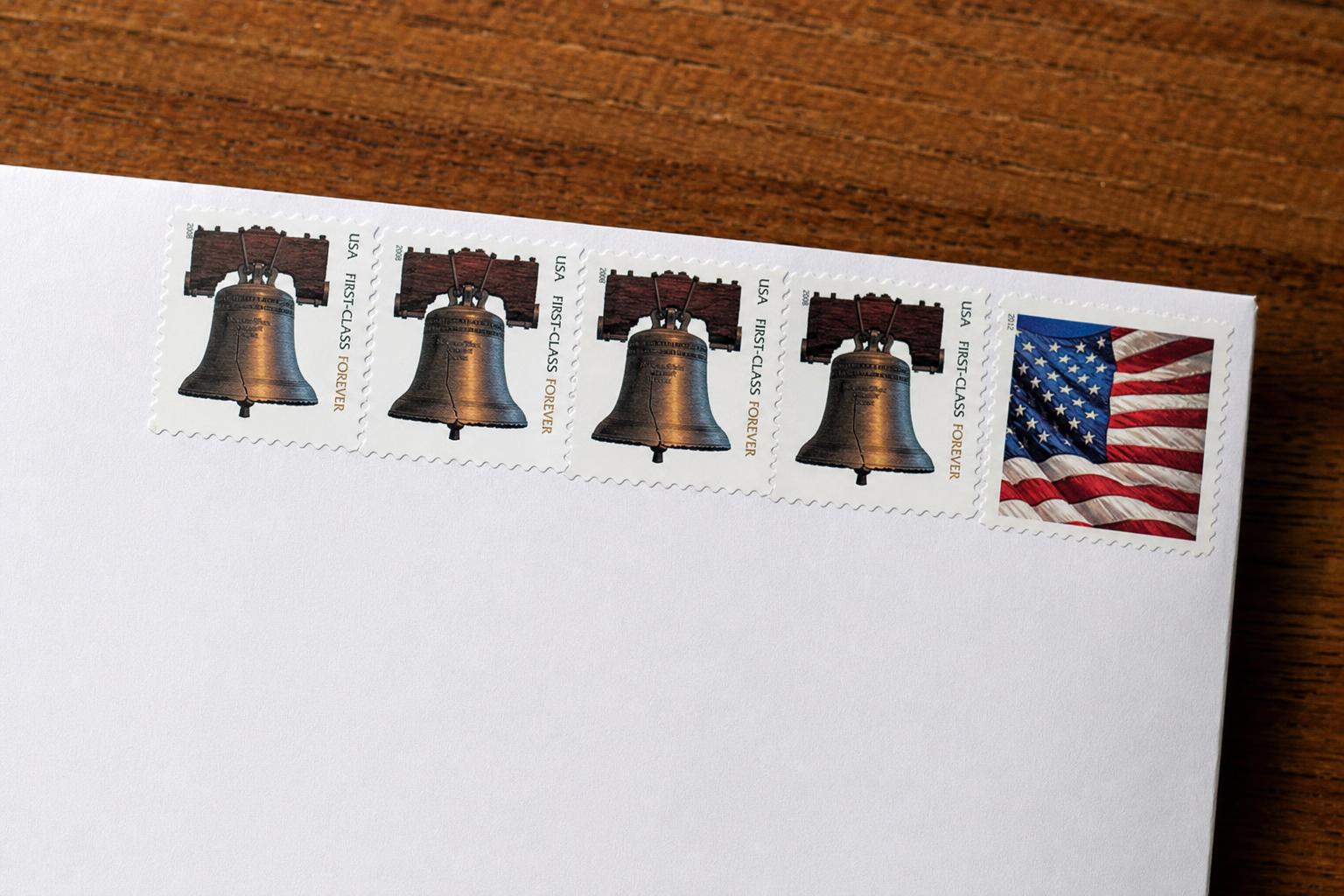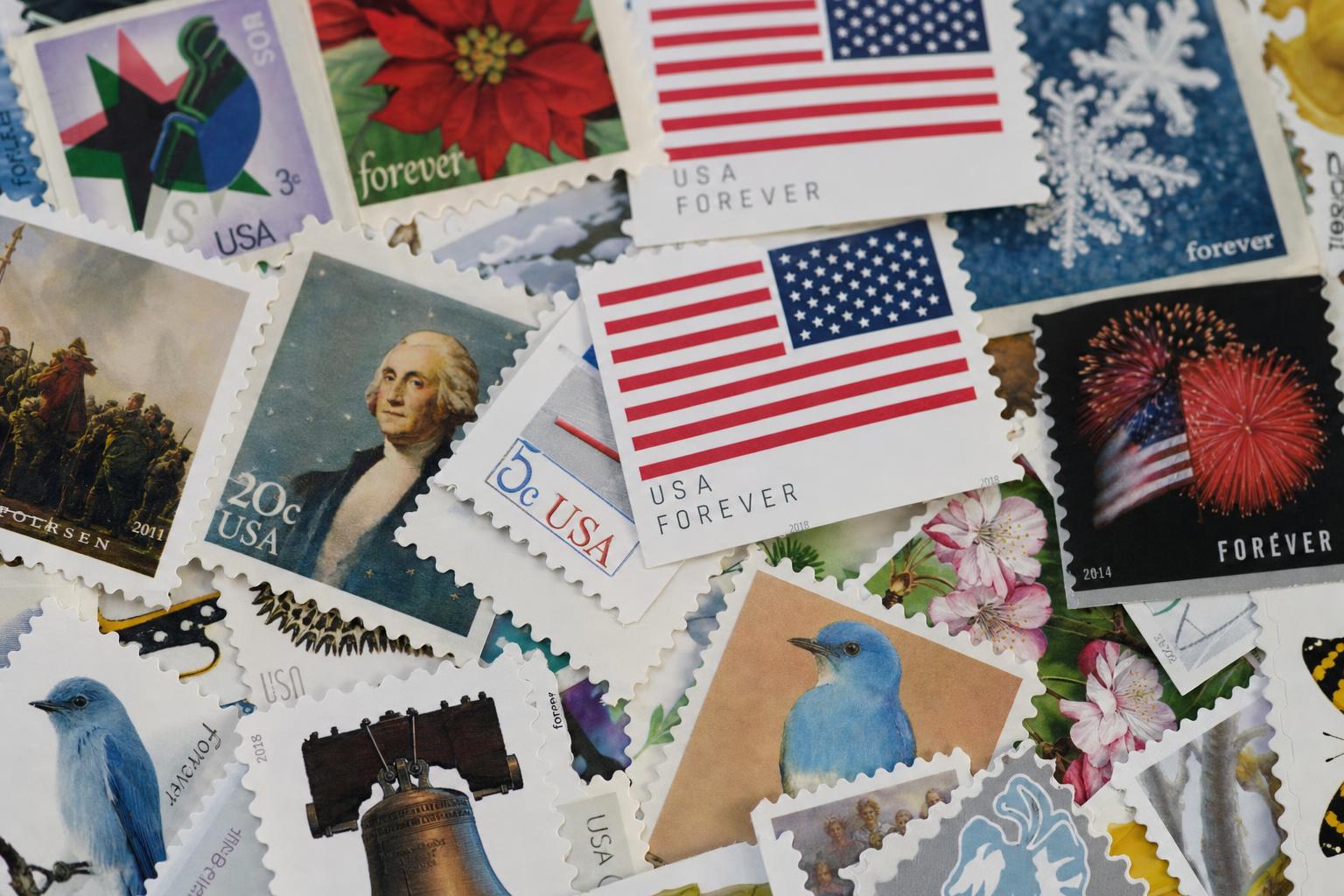
You can sometimes turn unused stamps into money, but not in the automatic, walk-in-and-get-cash way people hope. The reality depends on where you are, the condition of the stamps, whether they’re common or rare, and which route you choose: a post office refund or a private sale.
What Unused Stamps Are Worth In Cash
The United States Postal Service does not buy unused postage stamps back for cash. The United States Postal Service sells postage, and the retail window is not a buy-back counter, so a request to convert unused postage stamps into money at a Post Office is declined in the ordinary case. A limited exchange of unused postage for current postage is a separate matter, and that exchange is described in the sections below.
The cash answer therefore comes from the private market rather than from the postal counter. A stamp buying service purchases unused United States postage at a published share of face value, which means that the amount paid is calculated from the postage value printed on the stamp rather than from a collector valuation of the stamp. Stamps For Cash purchases unused United States postage at the rates listed below.
- Forever stamps, meaning First-Class Forever, Global Forever, 2 Ounce and 3 Ounce Forever stamps: 50 percent of face value
- Any stamp with a face value above 82 cents: 40 percent of face value
- Any stamp with a face value below 82 cents, including postcard Forever stamps and additional-ounce stamps: 30 percent of face value
Unused U.S. postage only. We do not buy used, Presort, Bulk, Nonprofit, Official, Postage Due or foreign stamps.
A worked example shows how the calculation is applied to a typical holding of unused postage. A book of 20 First-Class Forever stamps carries a face value of $16.40 at the 82 cent First-Class rate that took effect on July 12, 2026, and a book of 20 First-Class Forever stamps is therefore purchased at $8.20. A holding of older denominated stamps with a combined face value of $100.00, where every stamp in that holding falls below the 82 cent First-Class rate, is purchased at $30.00. The calculation does not change with the quantity of stamps sent, and the calculation does not change with the age of the stamps, provided that every stamp in the holding is unused.
Print a free packing slip on the get cash page, or check the full table on the rates page first.
Can You Exchange Stamps For Cash At Your Local Post Office?
Short answer: sometimes, but don’t count on a big payout. Many postal services will handle refunds or exchanges for unused stamps, but the policies vary. In some countries you can exchange unstuck, unmarked stamps for current postage or even get a refund if you have a receipt and the stamps are in mint condition. Other places won’t give cash but will swap old denominations for newer ones. The phrase can you exchange stamps for cash gets asked a lot at counters, because people think stamps are like cash in the drawer. They’re not, except in very specific situations.
If you plan to try the post office, call ahead. Ask whether they give refunds, whether you need proof of purchase, and if they insist stamps be unhinged or in mint packs. Bring the stamps in their original packaging if possible. Some clerks will politely refuse a cash refund but offer an exchange to current postage. That still has value: you’ll get postage you can use or sell.
How The Postal Service Treats Unused Postage
Postal operators see stamps as postage, not currency. Face value is the obvious number printed on the stamp or implied by a “Forever” designation. But face value and market value are different things. If you’re looking for cash, the postal counter is only one option.
Refunds And Exchanges
Most post offices will exchange old stamps for new ones of equivalent face value when rates change. Some will issue refunds in cash for recently purchased postage if you show a receipt and the items are unused. Time limits and documentation rules apply. Policies are tied to customer protection and preventing fraud, so staff will check that the stamps are intact and unused. The separate question of whether the Post Office buys unused stamps back, rather than exchanging them, is answered in detail on does the Post Office buy back stamps.
Exceptions And Collector Stamps
Collector or commemorative stamps sometimes fall into a different category. If stamps were sold as part of a philatelic pack or were purchased through a stamp program, there may be a limited refund window, or the seller might insist on an exchange. Rare or error stamps are outside normal rules: they’re not returning to the post office for cash in most cases because dealers and collectors are the market for those.
Alternatives To Getting Cash From Stamps
If the post office route fails, you still have options. When people ask can you exchange stamps for cash, they often mean “how do I convert these to money?” The practical answers are selling, trading, or using them creatively. Our guide to where to sell unused stamps for cash compares every route side by side, including what each one pays and how long each one takes.
Sell To Stamp Dealers Or Local Collectors
Walk into a stamp shop or contact a dealer. Dealers evaluate condition, rarity, demand, and current market prices. A dealer prices on collectible value, and modern unused postage carries little or no premium over the face value printed on it, so there’s usually nothing in it for them when you walk in with a drawer of Forever stamps. That material is what a postage buying service is set up to buy, at a published percentage of face value. For older or rare issues a dealer is the right call and you could get much more. Bring stamps organized by country and decade. If you have large quantities of common stamps, some dealers will buy by weight or lot.
Online Marketplaces And Auctions
eBay, Delcampe, and specialist marketplaces reach a wider buyer pool. High-quality photos and accurate descriptions matter. Fees apply, and shipping is your responsibility. Auctions work well for rare items. For bulk or mixed lots, a fixed-price listing targeted at crafters or ephemera buyers can move items quickly.
Charity And Craft Markets
If cash is less important than clearing space, charities accept stamps for fundraising or resale. Craft groups also buy mixed lots for projects. This route won’t maximize stamps cash value but gets unused stamps out of your drawer.
Mailers And Business Use
Consider using the stamps yourself. If you have enough stamps you could save the cash you’d otherwise spend on postage. For businesses or frequent shippers, applying stamps to outgoing mail converts face value into saved costs, effectively turning stamps into cash-equivalent value.
How To Determine Stamps Cash Value
Valuing stamps is both straightforward and maddening. For modern, common stamps the stamps cash value is usually the printed face value. For older stamps, the collector market dictates price.
Face Value Versus Market Value
Face value is what the stamp is worth as postage today. A First-Class Forever stamp in the U.S. equals whatever first-class postage costs now. Market value reflects scarcity and demand. For instance, a modern commemorative stamp might have a face value of 82 cents but sell for a small premium to collectors or not at all beyond that. If you’re asking can you exchange stamps for cash because you found a handful from the 1960s, check a catalog or dealer for a market price.
Condition, Rarity, And Demand
Condition matters: unused, never-hinged stamps with original gum fetch higher prices. Tears, thins, heavy cancellations, or repairs reduce value drastically. Rarity is defined by original print run, surviving examples, and known errors. Demand is unpredictable and can spike with popular themes, sports, famous people, or attractive designs.
How To Check Value
Use stamp catalogs, online databases, and completed auction results. The Scott catalog (for U.S. and worldwide collectors) is a basic reference. But catalog values are often list prices; actual sale prices tend to be lower. Search completed listings on eBay to see what collectors actually pay. If something looks promising, get an appraisal from a reputable dealer.
Steps To Sell Or Exchange Stamps For Cash
If you decide to sell, follow a few practical steps to avoid wasting time.
Sort And Inventory
Separate stamps by country, era, and condition. Remove stamps that are obviously worthless as single collector pieces, common modern issues with glue marks or heavy cancellations. Count and weigh the rest. Buyers prefer tidy, well-described lots.
Photograph And Describe
Take clear, well-lit photos. Show front and back. Note condition issues like creases or hinge marks. Be honest. Misrepresenting rare items leads to disputes and returns.
Choose Your Sales Channel
For single valuable stamps, dealers or specialist auctions are best. For mixed lots, online marketplaces or local sales might be faster. If you just want quick cash and what you have is unused modern postage, a postage buying service is the better fit, because it pays a published percentage of face value instead of pricing each stamp for a collector. If you want top dollar, be prepared to wait and invest in good photographs and listings.
Negotiate And Protect Yourself
Get multiple offers for valuable items. Beware of unsolicited buyer claims that overpay and request refunds or shipping to odd addresses. Ship with tracking and insurance for higher-value pieces. For small deals, cash in person reduces risk.
Avoiding Scams When Seeking Cash For Stamps
The phrase cash for stamps has been used in scams, especially when sellers are promised crazy multiples of face value. Scammers play on ignorance about rare-stamp prices.
- Don’t respond to “we’ll send you a check” offers without verifying the buyer.
- Be skeptical of buyers who insist on secret methods or unusual payment systems.
- Use platform protections when selling online.
If a deal seems too good to be true, it probably is.
Rare Examples That Actually Yield Cash
There are famous stamps that bring real money. The Inverted Jenny, a U.S. 1918 biplane printed upside down, sells for hundreds of thousands to millions depending on condition and provenance. A Penny Black in superb condition is valuable too. But these are anomalies. If you own a stamp like that, you don’t take it to a counter hoping for loose change. You consult a reputable auction house or an experienced philatelist.
Small Wins And Bulk Sales
Most people’s collections are full of common stamps. Selling in bulk to dealers or listing mixed lots will get you some cash. A lot of 1,000 common commemoratives might fetch a small amount, maybe tens of dollars, not thousands. That’s fine if your goal is decluttering.
What To Bring To The Post Office If You Try To Get Cash
If you intend to ask the postal service directly, be prepared.
- Bring the stamps unhinged if possible and in original packaging.
- Carry the receipt or proof of purchase.
- Have an ID.
- Expect the clerk to inspect for cancellation marks or damage.
If they won’t give cash, ask about exchanging for current postage or getting a credit toward future purchases.
Why Some Clerks Say No
Postal employees deal with fraud and misused postage. If stamps look previously used, altered, or taped, they’ll decline. If you purchased a lot of cheap commemoratives years ago, the clerk might offer nothing because the stamps are seen as used inventory rather than currency.
How To Package And Ship Stamps When Selling
Stamps are fragile. Proper packaging protects value.
- Use stiff backing boards in a rigid mailer.
- Wrap stamps in glassine or acid-free paper.
- Avoid pressure that creases or bends.
- Insure higher-value shipments and require signature on delivery.
If you’re shipping internationally, check import/export rules for cultural items and follow postal declarations accurately.
Pricing Tactics For Selling Stamps
If you want cash for stamps, pricing strategy matters.
- For single, verifiably rare items, consider auction houses with philatelic departments. They attract serious collectors.
- For mixed lots, price slightly above bulk dealer offers if you want to test retail interest.
- Use “buy it now” prices on marketplaces for quick sales, and allow best-offer to capture fence-sitters.
Keep at least one offer from a dealer as a baseline. It gives you leverage.
When Stamps Are Worth More Than Face Value
Errors and variants matter. Misprints, color shifts, and printing plate errors can create sudden value. Condition amplifies value. A mint, never-hinged error stamp sells for far more than a used crooked example.
Provenance And Certification
For top-dollar stamps, buyers want provenance and certification from expert committees. Certification documents prove authenticity and condition. Without them, even a genuine error may sell for less because buyers fear forgery.
How To Handle Large Collections
If you’ve inherited a shoebox of stamps, don’t panic.
Start by sorting. Remove obvious modern junk. If you spot potentially valuable stamps, get a professional appraisal. For massive collections, dealers and auction houses may offer consignments. Expect a consignment fee but realize it’s often the best route to reach serious buyers.
Tax Implications And Record-Keeping
Proceeds from selling stamps can be taxable. Keep records of what you received and any costs like appraisal, shipping, or auction fees. If you’re only converting face-value postage into usable postage for your business, treat it as an operational expense. If you sell rare items for a profit, consult a tax pro.
Local Resources And Clubs
Philatelic societies and stamp clubs are underused resources. Club members offer knowledge, buying opportunities, and connections to reputable dealers. They can help you spot which stamps to keep and which to sell for cash. A club is a good way to work out which of your stamps are collectible and which are simply postage, and that answer tells you which market to approach.
Final Practical Notes About Getting Cash
When you ask can you exchange stamps for cash, remember the environment: most of the value in stamps isn’t in the ink but in rarity and condition. Post offices are helpful for exchanges and occasional refunds, but the cash you want comes from the private market. Which part of that market depends on what you have: unused modern postage goes to a postage buying service at a published percentage of face value, while genuinely collectible material goes to collectors, dealers or auction platforms. If maximum return matters, prepare to research, wait, and possibly get certification. If you have a few hundred stamps and no time, donate or sell in bulk; it’s not glamorous, but it saves space and yields some cash.
Keep your expectations realistic. A pile of modern unused stamps generally equals face value at best. A single mistake or rare print can be worth a lot. Look through your collection with a critical eye. Ask questions. Call a dealer before making decisions about anything that might be collectible, and check the published rates before you send modern postage anywhere. And don’t be embarrassed to bring stamps in a shoebox to a meeting. Dealers expect that.