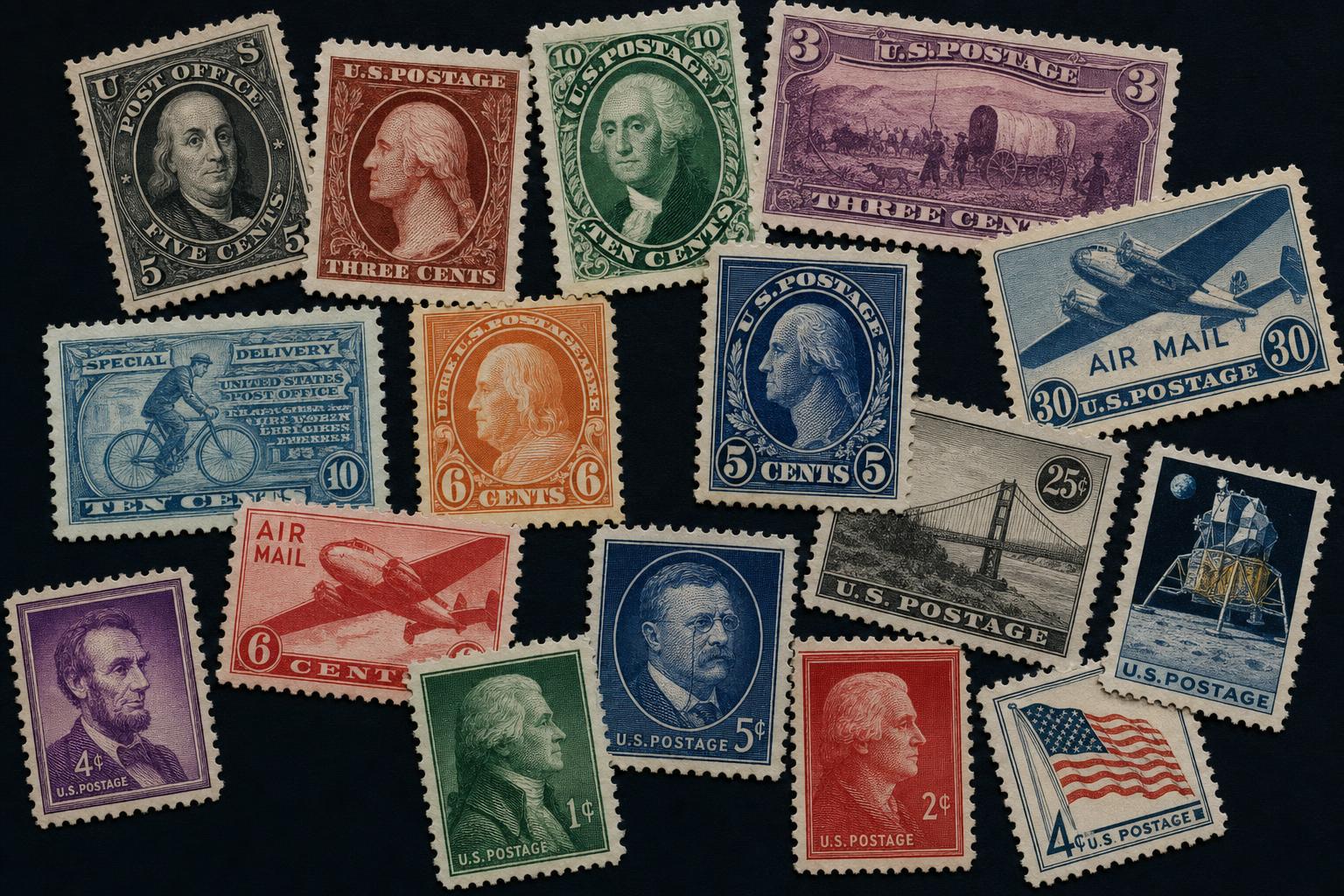
The big change that made modern mail possible was simple: pay before it moves. That idea sits behind stamps, meters, preprinted envelopes, and the digital labels you print at home. It’s also the thread through a surprisingly messy, practical history — full of invention, regulation fights, marketing deals, and a steady push to make sending things faster and cheaper.
## History Of Prepaid Postage: Key USPS Milestones
The phrase history of prepaid postage covers more than a few inventions. In the United States it starts with the 1847 issue of the first adhesive postage stamps and keeps going. Stamps made prepayment portable. You didn’t need to buy a trip ticket at a post office counter. Put a stamp on an envelope and the mail system accepted it.
The first U.S. adhesive stamps — the five-cent Franklin and ten-cent Washington — let senders shift costs from the recipient to the sender. That single shift drove a cascade: printed envelopes with indicia, postal cards with the value already on them, and later meters that printed postage directly onto wrappers and packages. Each development solved a practical problem: speed at counters, fraud, accounting headaches, or bulk discounting for businesses.
## Early Innovations That Shaped Prepaid Postage
### Stamps And The Move To Sender-Pays
The world’s first adhesive stamp, the Penny Black, began in Britain in 1840. The U.S. followed with its own stamps in 1847. That’s where the convenient, wallet-sized payment instrument caught on. People understood a stamp. Merchants could stock them. Post offices could cancel them to prevent reuse. The stamp was low tech and remarkably robust.
### Postal Cards And Preprinted Value
By the late 19th century the Post Office experimented with preprinted postal cards. These were government-issued cards with postage printed on them. For businesses and individuals they simplified mailing and reduced handling at counters. They were cheap, fast, and popular for short notes and notices.
### Metering: Machines That Printed Postage
In the early 20th century inventors built machines that printed a mark showing postage had been paid. Arthur Pitney and Walter Bowes developed commercial postage meters that businesses used to frank large volumes of mail. Postage meters changed the economics of bulk mailing. They let offices skip the stamp-peeling and made mailing machines possible.
## USPS Organizational Changes And Technology
### From Post Office Department To USPS Independence
The postal system in the U.S. has evolved administratively too. The Post Office Department became the United States Postal Service in 1971. That change reflected a move toward a more businesslike sevice model. It also opened the door to greater experimentation with prepaid options and commercial partnerships.
### ZIP Codes, Automation, And Prepaid Accounting
The introduction of ZIP codes in 1963 reorganized routing and made automation viable. When mail flows faster and sorting is automated, accounting for prepaid postage becomes essential. Barcodes and postmarking systems improved how the USPS tracked prepaid indicia and meter impressions. Bulk mail systems could be priced more precisely, and businesses could get discounted rates when they prepaid and met sorting rules.
#### Intelligent Addressing And Barcodes
Later, Intelligent Mail barcodes and other machine-readable indicia allowed the USPS to connect a printed payment mark to delivery status and billing. That reduced fraud and made the billing cycle for commercial customers more accurate. It also allowed the USPS to offer differentiated services based on prepayment level and package class.
## The Digital Turn In Prepaid Postage
### PC Postage And Online Labels
The arrival of the internet changed prepaid postage again. Services that let users buy and print postage online — what people call PC postage — made it possible to print valid postage from home or office. Companies like Stamps.com and Endicia pushed the envelope on convenience. USPS certified online providers and adopted standards so those printed indicia could be verified in processing plants.
### Integration With Marketplaces And Mail-Time Tracking
Online marketplaces and shipping platforms began bundling postage purchase into the seller experience. Sellers could buy postage in the same workflow where they listed items and arranged pickup. That convenience drove adoption. It also shifted the USPS’s interface with small shippers, making prepayment part of a broader logistics toolset.
## Notable Product Milestones
### Forever Stamps And Rate-Proofing
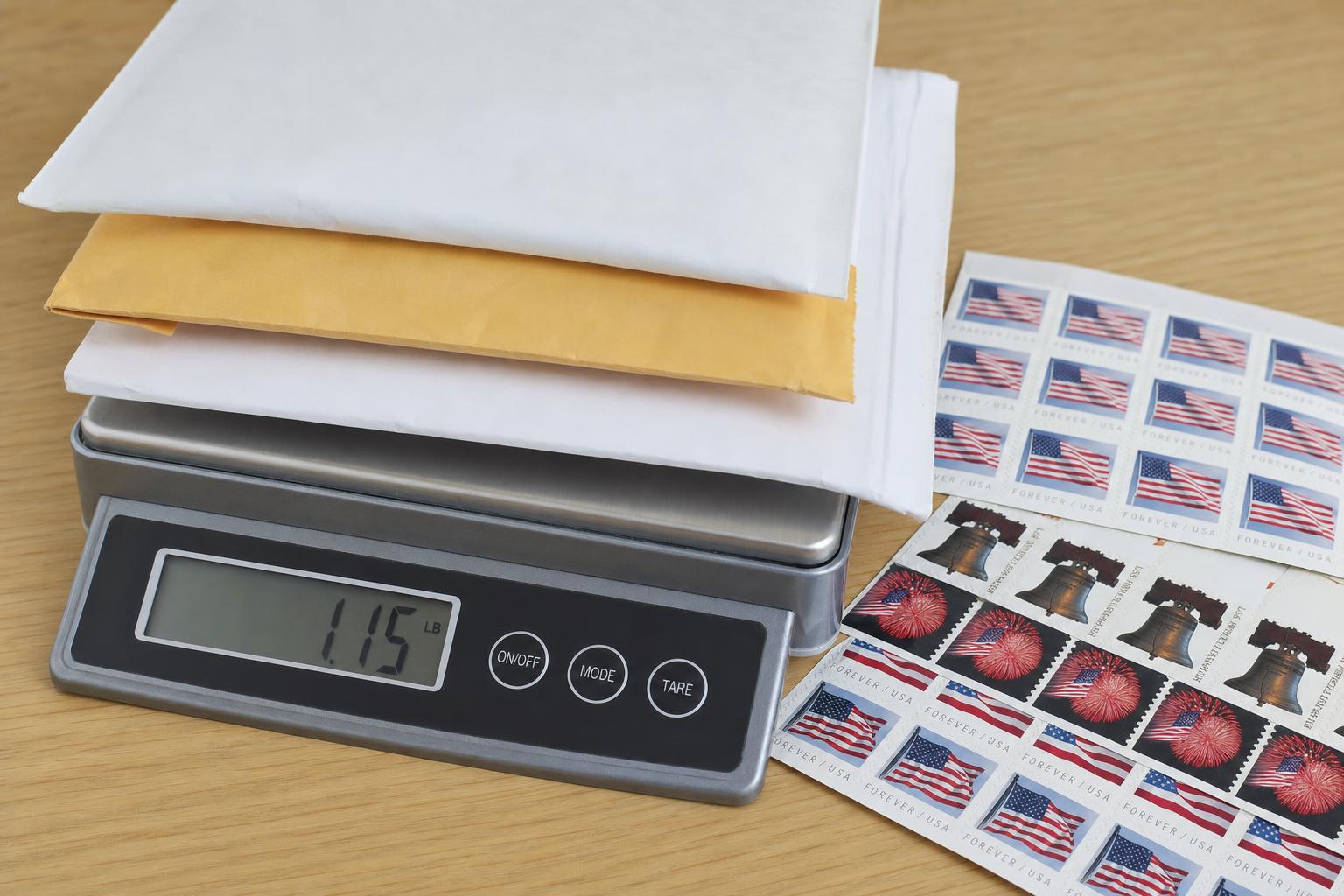
The USPS introduced the Forever Stamp in 2007. Forever Stamps were sold at the current first-class rate, but could still be used after rate increases without adding extra postage. The logic was simple: a one-time purchase insulated consumers from future rate changes. For the prepaid postage history, Forever Stamps are a clever product fix that acknowledged people don’t want to constantly figure out how much to add.
### Business Reply Mail And Permit Imprints
Business Reply Mail and permit imprint systems let organizations accept returns without the sender buying a stamp. The business agrees to pay upon delivery. These tools are a form of prepaid postage only in reverse: the recipient has prepaid or arranged to pay on behalf of the sender. They’re essential for subscription forms, surveys, and returns.
### Preprinted Postal Products
Prepaid envelopes and labels — where a commercial printer or the USPS prints the postage value right on the packaging — became common for regulated forms, nonprofit mailings, and bulk shipments. They simplify processing and reduce counter traffic. They also tie in with permit systems and meters, creating a hybrid of manual and automated prepayment.
## Regulation, Fraud, And The Economics Of Prepayment
### Protecting Credentialed Postage
Prepaid instruments invite fraud, so the USPS has always balanced convenience against security. Stamps can be forged. Meter tapes and digital indicia can be misused. That’s why certification, inspection, and robust cancellation systems matter. Over time the USPS built standards for postage meters, PC postage vendors, and indicia formats to minimize revenue loss.
### Pricing, Discounts, And The Cost Of Handling
Prepaid postage history is also about how pricing changed. The USPS uses prepayment to streamline handling; in return, it offers lower prices for sorted, bulk, or presorted mail. That pushes mailers to spend on sorting or software to qualify for discounts. There’s an operational bargain: prepaid, well-prepared mail reduces handling costs and speeds flow, which in turn enables lower unit prices.
## How Businesses And Consumers Use Prepaid Options Today
### Small Businesses And Direct Labels
Small sellers like Etsy shops use online labels to buy postage and request pickup. That squeezes lots of micro-shipments into the same logistics pipeline big shippers use. It’s cheaper and faster than buying stamps and waiting in line. For businesses that sell goods directly, the ability to prepay, print, and track in one step is essential.
### Nonprofits And Prepaid Return Options
Nonprofits rely on prepaid return envelopes to reduce friction for donors and respondents. Prepaid returns increase response rates. They look small, but those prepaid pieces change behavior. That’s a pattern repeated across commerce: when you remove a small friction, volumes change.
## Design, Collecting, And Cultural Impact
### Stamps As Communication Tools
Stamps are payment instruments and also messaging devices. The USPS issues commemorative stamps that nudge public attention toward people, events, and art. That cultural function makes prepaid postage visible in daily life. It also keeps philatelists paying close attention to changes in denomination, perforation, and security features.
### Collectors And The Value Of Change
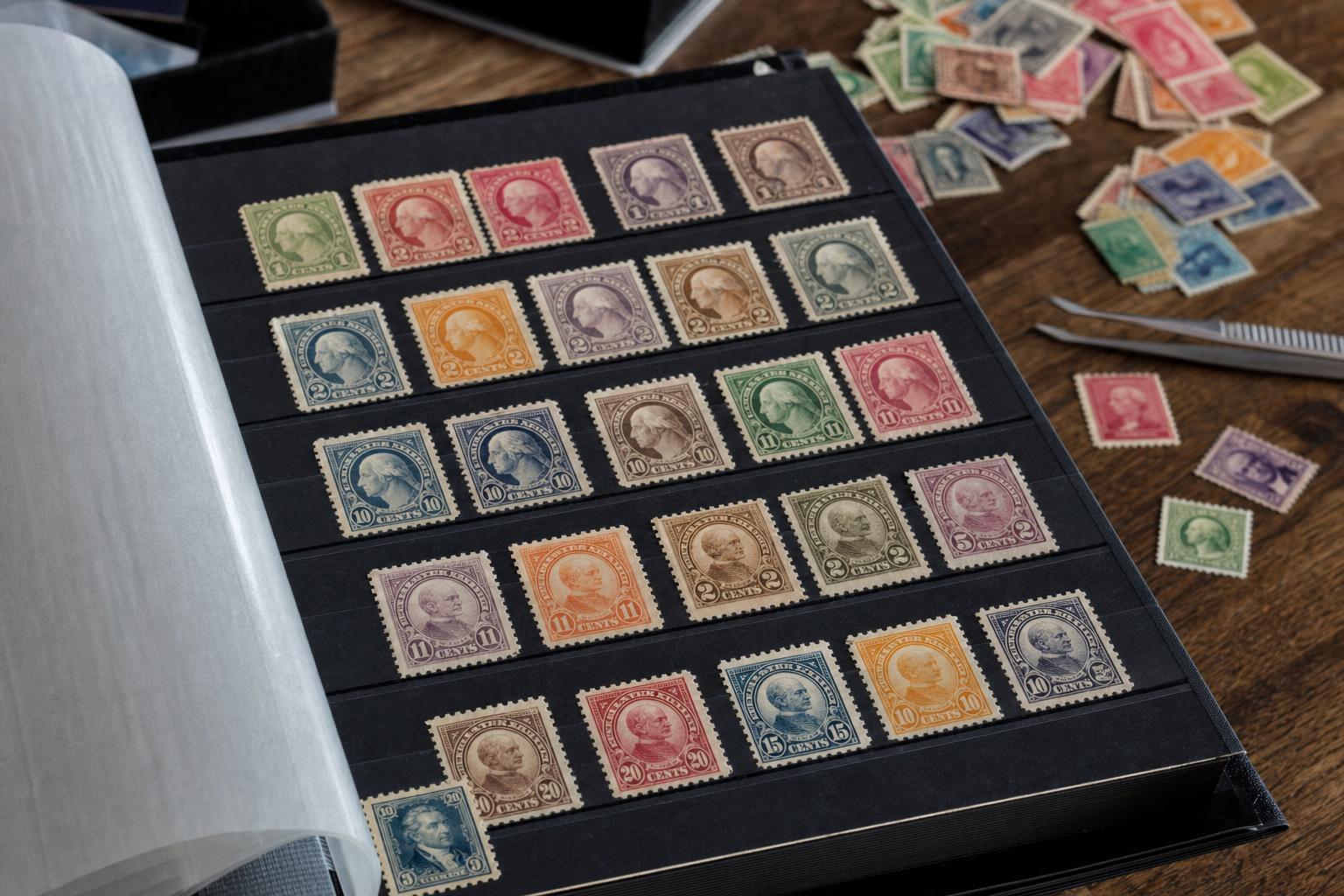
Collectors track changes in design and production as much as postal historians do. A shift in the way postage is prepaid — from physical stamps to digital indicia — affects the hobby. People look for error stamps, first-day covers, and unusual meter impressions. Those small oddities are part of the prepaid postage history story.
## Practical Problems And Ongoing Evolution
### Handling Returns And Rate Shifts
Rate increases always create problems. The Forever Stamp fixed one problem, but many businesses still need to recalibrate postage on large catalogs and shipping tables. Prepaid systems need to handle returns, exchanges, and rate changes without creating accounting nightmares.
### The Future Of Prepaid Markings
Expect continued convergence between payment platforms and delivery chains. Mobile apps that buy postage in seconds, packaging with embedded QR codes that double as postage, and blockchain-based certification are all ideas in play. The technical goal remains constant: make it easier and cheaper to move a letter or parcel while keeping fraud in check.
## Anecdotes From The Field
Postal clerks will tell you the same thing: when a bulk mail drop shows up with the wrong indicia the whole room slows. One manager described a rush to verify meter seals and reconcile batch files — the kind of mundane scramble that keeps systems honest. Those moments show how closely prepaid postage systems are tied to real people and real workflows, not just policy papers.
A small business owner I talked with had a simple rule: print postage at home for anything under 10 ounces, buy a book of Forever Stamps for Saturday runs, and use permit mail for catalogs. That mix of stamps, online labels, and permit imprints is exactly where the prepaid postage history meets daily practice. It’s practical, messy, and effective.
There’s a lot left to study in the prepaid postage history. From early adhesive stamps to today’s printable indicia, the thread is the same: find ways to move money and mail without slowing the mail down. Expect more hybrid solutions that mix convenience with accountability. Meanwhile, lots of people will still prefer to lick a stamp — or at least, stick it on without thinking too hard. Recieve a letter and you remember why the whole system matters.
Leave a Reply