You can use old stamps to meet today’s postage if you treat them like cash: check the face values, total them, and make adjustments for modern rates. It’s not glamorous, but it works. Below are straightforward steps, tools, and pitfalls so you don’t overpay or get your mail returned.
How To Add Old Stamp Values For Current Postage Without Guesswork
Start by deciding why you’re adding old stamps. Is it a few leftover commemoratives on a birthday card? A box full of mixed stamps from an estate sale? That context changes the approach. The core idea is simple: find the face value on each stamp, convert any ambiguous issues into modern equivalents, and add them up. If you want to learn how to add old stamp values for current postage, follow a methodical process and double-check the math.
Check The Face Value First
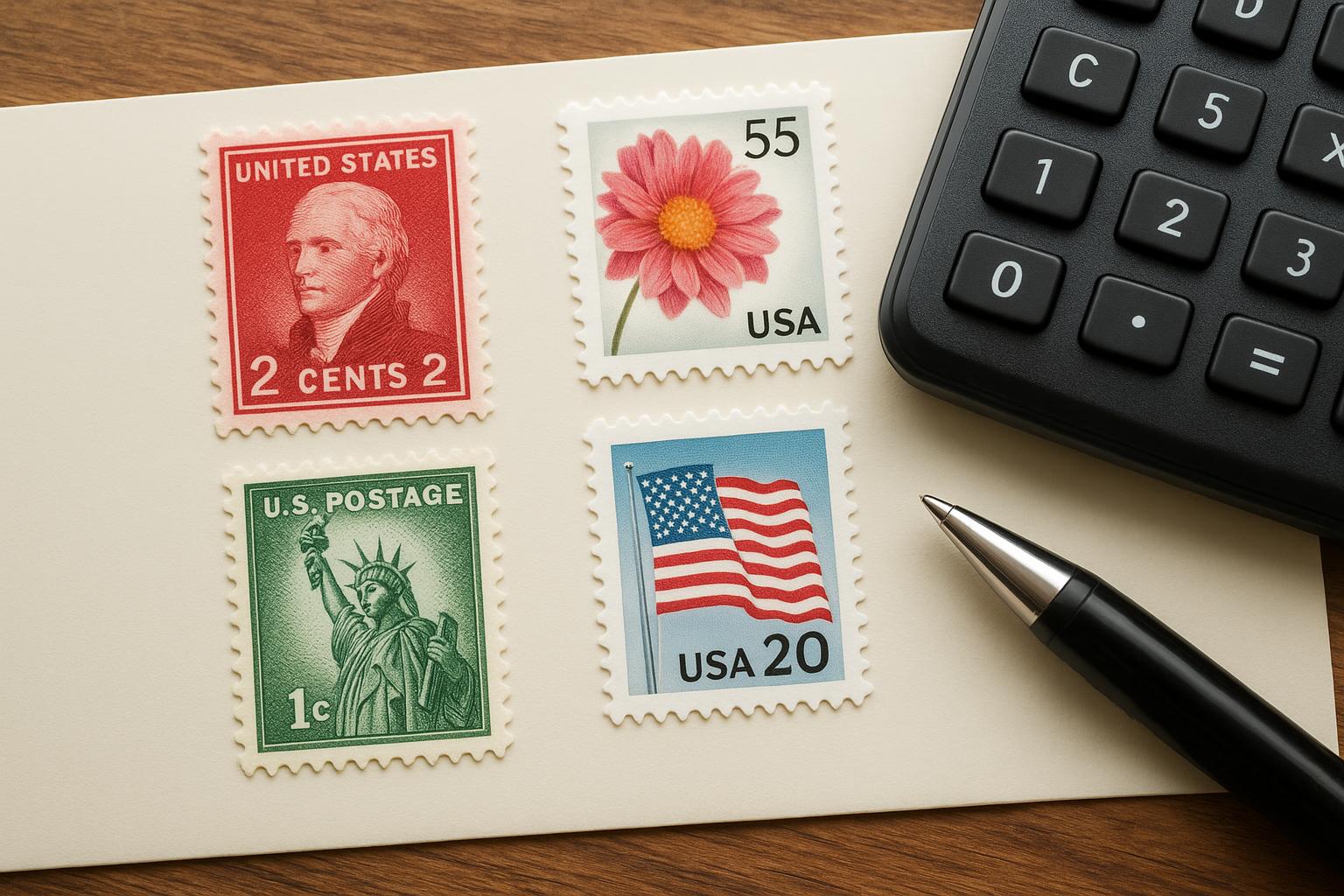
Don’t assume. The single most common mistake is guessing what a stamp is worth instead of reading it. Look at each stamp and find the denomination printed on it. It can be obvious like “10¢” or “50c,” or written as “1/2d” on very old issues. Those old notations mean specific pre-decimal values and need conversion.
- If it shows a dollar sign, that’s straightforward.
- If it shows cents, convert cents to dollars: 100¢ = $1.00.
- If it uses older currency styles, consult a quick chart or the USPS site for how those map to modern cents.
This step addresses the majority of confusion around how to add old stamp values for current postage because once you know each stamp’s numeric value, the math is mechanical.
Unused Versus Cancelled Stamps
Only unused stamps with intact gum count as postage. A stamp with a cancellation mark is no longer valid for postage in most postal systems. If you’re in the U.S., any marking that shows the stamp was used makes it unusable for current postage. That means a pile of pretty cancelled stamps is mostly a collectible set, not functional postage.
If a stamp looks lightly marked, hold it up to light. A heavy postmark will be obvious. For borderline cases, assume the worst and don’t depend on the stamp unless it’s clearly unused.
Add Them By Groups To Avoid Errors
Rather than totaling dozens of stamps in your head, split them into manageable groups:
- Group stamps by denomination (all 5¢ together).
- Add each group’s subtotal.
- Then add the subtotals.
This reduces arithmetic mistakes and makes it easy to adjust if you later find a misread stamp. It’s the practical way to avoid redoing everything.
Account For Forever Stamps And Non-Monetary Designs
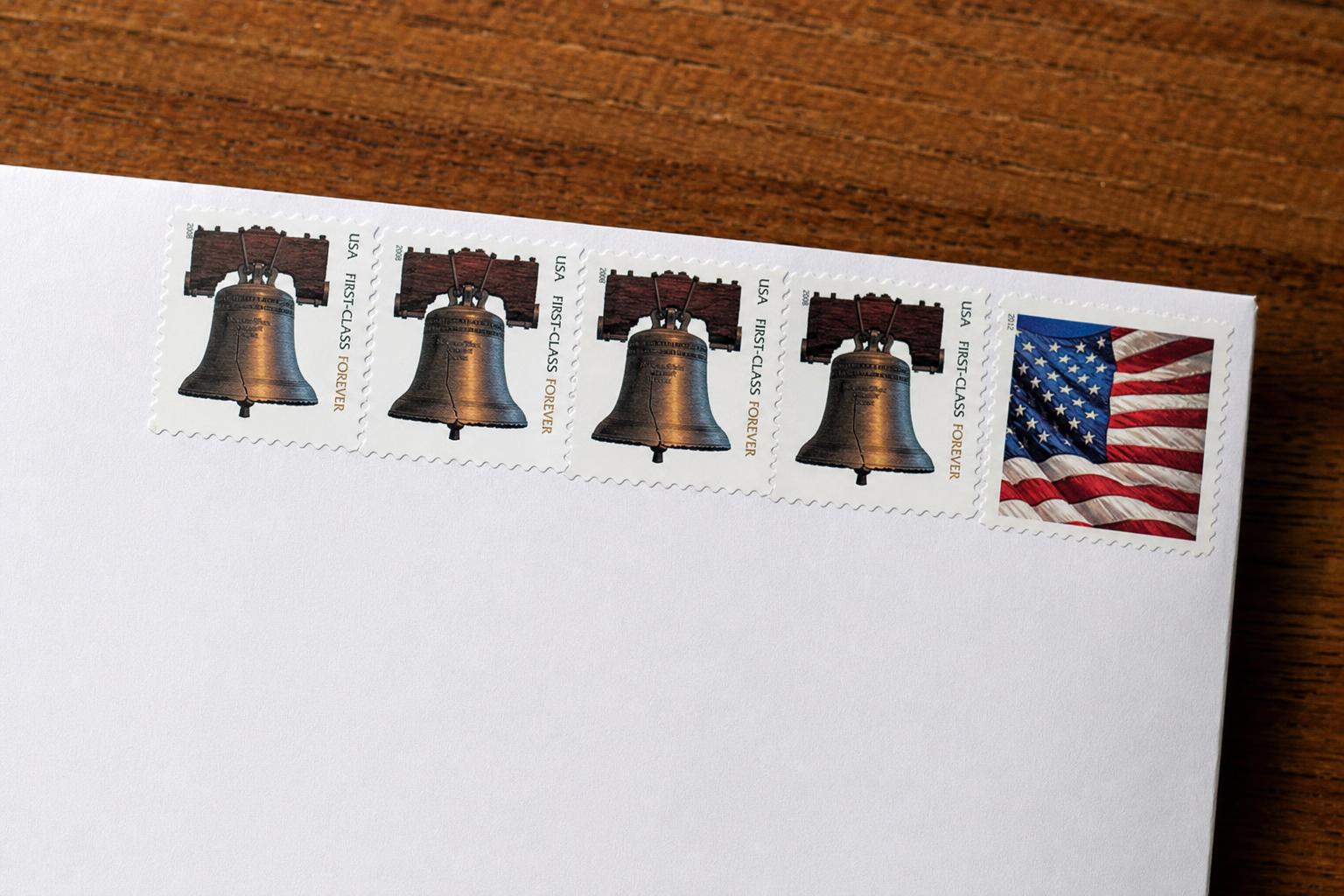
Forever stamps are common now. They don’t show a numeric value but are guaranteed to cover the current first-class letter rate at time of mailing. If you’re mixing forever stamps with older numeric stamps, treat each forever stamp as equal to one current first-class letter. That makes calculation a little more complex if you’re sending a parcel or using non-first-class services.
Likewise, some issues are promotional or non-denominated and intended for specific services. Check the issuer’s guidelines before assuming value.
Tools And Records To Make Adding Easy
A few inexpensive tools make the work less annoying and more accurate. You don’t need a collection-grade setup to handle everyday mail.
Use A Small Scale For Large Shipments
If you’re mailing parcels, determine postage by weight and then cover that postage with stamps. A postal scale that measures in ounces and pounds saves trips to the post office. After you know required postage, you can calculate how many stamps you need using old stamp values.
Keep A Simple Spreadsheet
A two-column spreadsheet with denomination and count saves time. Multiply and sum. One formula will give you the total. It’s quick, and you can print a reciept-style list to stick with the package, helpful if you’re dealing with multiple packages or repeat shipments.
Where To Find Current Rates
Postal rates change. Use your postal service’s official website for the latest first-class, priority, and international rates. If you already know how to add old stamp values for current postage, you still need the current target number to hit. A quick web check prevents surprises.
What To Do With Damaged Or Partial Stamps
Stamps with tears, missing corners, or heavy adhesive transfer can be tricky. The postal service is forgiving about minor damage if the denomination is legible, but that’s not a guarantee. Treat anything ambiguous as suspect.
Tape, Tears, And Smudges
Never tape a stamp to repair it. Tape obscures or alters the stamp and can be rejected. If a corner is torn but the denomination is clear, many clerks will accept it. If a stamp is missing part of the printed value, don’t risk it.
Stamps Missing Perforations Or With Residue
If the stamp has residue from being soaked or from being torn off an envelope, allow it to dry flat. Residue itself won’t necessarily disqualify it, but if the adhesive is compromised the stamp may not stick, and the post office might treat it as unofficial.
Special Cases: Commemoratives, Airmail, And International Stamps
Older commemoratives and airmail issues often show values in foreign denominations or in older currency. That requires extra steps.
Convert Foreign Denominations Carefully
If you’ve inherited a sheet of stamps denominated in, say, British pre-decimal currency, convert to modern cents based on the issuing country’s rules and the local postal authority’s acceptance. Usually, foreign stamps are not accepted by another nation’s postal service to pay for postage unless explicitly allowed. In the U.S., for instance, only U.S. postage is accepted for domestic mail.
Collector Value Versus Face Value
A beautiful 1940s commemorative may be worth $10 to a collector, but its face value might only be 3¢. If you want to use it as postage, the postal clerk will accept the face value only. Don’t confuse market value with postage value.
That difference explains why people sometimes ask how to add old stamp values for current postage when, in their minds, a stamp is worth more than its face notation. Stick to the printed denomination for mailing.
Mistakes People Make When Adding Stamp Values
Some errors are common because they seem logical at first glance. Here’s what I see often.
Assuming Collector Value Equals Postage
Collectors and sellers often price by rarity. That doesn’t translate to postage. If you have a rare stamp, consider selling it rather than using it to mail a package. You’ll probably get more money selling than you would saving on postage.
Overpaying Because You Didn’t Count
People sometimes slap a handful of stamps on an envelope and assume it’s enough. That can be expensive. It’s better to count a few times than to toss extra stamps on blindly.
Misreading Pre-Decimal Notations
Older stamps sometimes use shillings, pence, or other units. Misreading “1s” or “1d” leads to wrong totals. If you aren’t sure, consult a conversion chart before finalizing postage, especially if you’re handling estate materials or a lot of vintage issues.
Practical Examples: Step-By-Step Scenarios
Real examples clarify this faster than abstract rules. Below are two common situations with step-by-step math.
Mailing A Letter With Mixed Stamps
Scenario: You need to mail a 1-ounce letter and have a mix of old stamps: one 10¢, three 5¢, two 1¢, and one Forever stamp.
- Check current first-class rate. Suppose it’s $0.82.
- Convert numeric stamps: 10¢ + 3*5¢ + 2*1¢ = 10¢ + 15¢ + 2¢ = 27¢.
- One Forever stamp covers $0.82 for a first-class letter. If you use the Forever stamp, you don’t need the numeric stamps for that one letter. But if you decide to use a Forever stamp plus numerics to cover additional services like extra ounces, add accordingly.
- If you want to use only numeric stamps, you’d need 82¢ worth. You have 27¢, so add more stamps or a Forever.
This example shows the importance of knowing the current rate and not assuming combinations will automatically add up.
Shipping A Small Box Using Mixed Old Stamps
Scenario: Package requires $7.90 postage. You have a bunch of older stamps: five $1 stamps, six 50¢ stamps, and assorted lower denominations.
- Convert groups: 5*$1 = $5.00. 6*50¢ = $3.00. Total = $8.00.
- Since $8.00 > $7.90, you’re covered. You don’t need to peel off anything.
- If you had $7.80 instead, you’d need to add 10¢ more. Use a 10¢ stamp or equivalent combination.
If you’re adding many stamps to reach postage, paste them neatly in one corner and don’t overlap them. That keeps sorting machines from tearing them off.
When To Consider Selling Instead Of Using
Sometimes stamps are worth far more than their face value. A mint condition stamp from a rare issue can command prices far above the printed amount. If you have large quantities of high-value stamps, sell them instead of using them. The money you gain can easily cover postage and more.
How To Spot Higher-Value Issues Fast
Look for odd denominations, errors, or special printing. Misprints and inverted centers attract collectors. If a stamp looks unusual, run a quick search online or check a recent catalog. Even a short lookup can tell you whether the stamp is likely a collectible.
Mail Preparation Tips To Avoid Rejection
A few habits reduce the chance your mail will be delayed or returned.
Place Stamps In The Upper-Right Corner
Classic rule. Machines expect postage there. If you put stamps scattered across a package, a clerk may accept it, but sorting machines could miss them.
Don’t Overlap Stamps
Stamps must be flat and not overlapping. Overlap can hide values or cause machine jams.
Secure Stamps On Packages
If you’re mailing a parcel, stick stamps on securely. If adhesive fails, affix with clear tape across the margin only, not across the printed area. That ensures postmarks are clear.
Handling Bulk Donations Or Inherited Collections
If you’ve inherited a box of mixed stamps, decide quickly what’s functional postage and what’s collectible. For the functional part, separate unused numeric stamps into one pile and cancels into another. Use the numeric pile for mail and research the rest.
Sorting Strategy For Efficiency
Sort by denomination first, then by condition. This makes adding totals faster and prevents accidental use of valuable stamps. It’s more work up front, but it saves costly mistakes later.
When In Doubt, Ask The Post Office
Clerks can verify whether a particular old stamp is permitted for postage. They can also accept postage payments and tell you the exact amount required. If you’re uncertain about a converted pre-decimal value or foreign issue, bring a sample to the counter.
If you need a quick refresher on how to add old stamp values for current postage, ask a clerk before sealing and sending the mail. They’ll usually be blunt and practical about what’s acceptable.
Quick Reference Conversion Tips
Keep a small card with common conversions if you handle pre-decimal or foreign issues regularly. For example, in the old British system: 12 pence = 1 shilling, 20 shillings = 1 pound. That helps you avoid misreading a “6d” as six dollars instead of six pence. Small cheats like that save a lot of fumbling and trips to the counter.
Don’t Forget Extra Services
Special services like certified mail, insurance, or delivery confirmation have separate fees. If you’re adding old stamps only to cover base postage, you’ll need additional payment for those services. Check the current fees and plan accordingly so you don’t leave a package underpaid.
Common Questions People Ask
People often want shortcuts. Here are quick answers to the frequent ones.
- Can I use foreign stamps on domestic mail? No, typically not. Use the issuing country’s postage.
- Do cancelled stamps count? Generally no. If a stamp has visible cancellation marks, it’s been used.
- Are commemoratives valid? Yes, if they show a denomination or are valid issues from the issuing postal service.
Knowing these points helps you avoid basic mistakes when figuring out how to add old stamp values for current postage.
A Final Practical Tip
If you regularly dip into old stashes for postage, set aside a ready-to-use jar of small-denomination, unused stamps. Keep them organized by value and replenish as needed. It’s cheap and saves time. Use the rest of the collection either for selling or careful cataloging. This is how I handle household mail: a small, organized reserve for everyday needs, and everything else treated as potential value rather than practical postage.
If you want, I can walk through a specific pile of stamps you have and calculate totals step by step. Just tell me the denominations and condition.