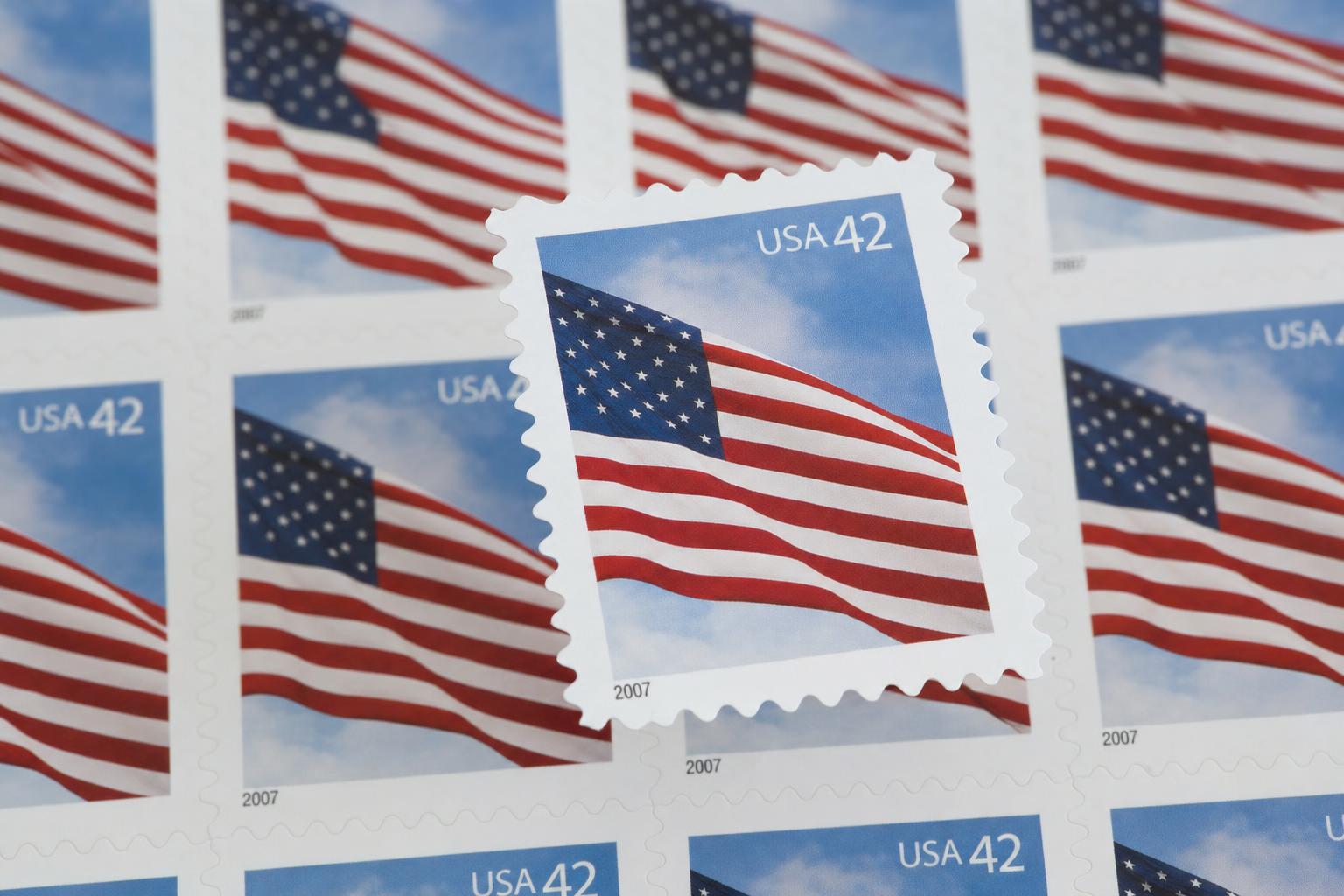
You can still use a Forever Stamp bought the year it debuted and never worry about whether postage will be enough. That small, practical promise is exactly what made the change in 2007 matter more than a single design or a one-off release. The USPS turned a price-management annoyance into a tool people could actually rely on.
## How The First Forever Stamp Introduced 2007 Changed Mailing
The core idea was simple: buy it once, use it anytime for first-class letter postage. When the first forever stamp introduced 2007 hit post office counters, it removed the friction of chasing rate changes. People who mailed cards, small businesses that handled invoices, and anyone who kept stamps in a shoebox suddenly had less to track.
This wasn’t purely convenience. It changed cash flow for households and small companies. Instead of stocking up on booklets every time rates rose, they made a single purchase and locked in value. For the Postal Service, the change simplified one small piece of retail logic while creating a product that had staying power beyond any single rate environment.
### Why The Policy Shift Happened
By 2007, postal rates had climbed enough that consumers were sensitive to incremental changes. The USPS was regularizing rate adjustments and the public had to adapt each time. The agency heard consistent feedback: people wanted fewer surprises and less need to buy extra stamps to top up. The forever stamp 2007 was an operational answer to that complaint.
There was another motive, less talked about. The USPS needed a product with lasting retail appeal. A stamp that retained its usefulness regardless of future price hikes could boost sales and reduce customer service friction at counters. From the customer service desk to the small-town mail window, the forever stamp introduction eased conversations about rate changes. It was an idea that made sense in multiple ways, and so they tried it.
### Design And Practical Details
The first forever stamp introduced 2007 came wrapped in a deliberately conservative aesthetic. The image was recognizably American and aimed for broad, everyday use rather than targeting collectors or promo campaigns. That choice mattered. A generic but patriotic motif made it acceptable for any piece of mail and less likely to be hoarded for decorative reasons.
Mechanically, it worked like this: the stamp paid the then-current first-class letter rate in perpetuity. Even after subsequent increases, that physical stamp would still be accepted without additional postage. For people who mailed sometimes but not often, or who liked to keep a book of stamps on hand, this removed a minute but recurring headache.
The forever stamp 2007 was an immediate hit with people who send holiday cards, thank-you notes, and other occasional mail. For businesses that bill customers by paper, it simplified forecasting: a company could buy a large quantity at one price and not worry about marginal adjustments for a small fraction of their postage needs.
#### The First Releases And Early Reactions
When the USPS rolled out the first batches, post offices noticed immediate demand. Customers tended to buy booklets rather than single stamps, which helped average sale values. Clerks described seeing fewer people returning to top up postage after a rate change, and people in line were relieved not to have to calculate extra cents.
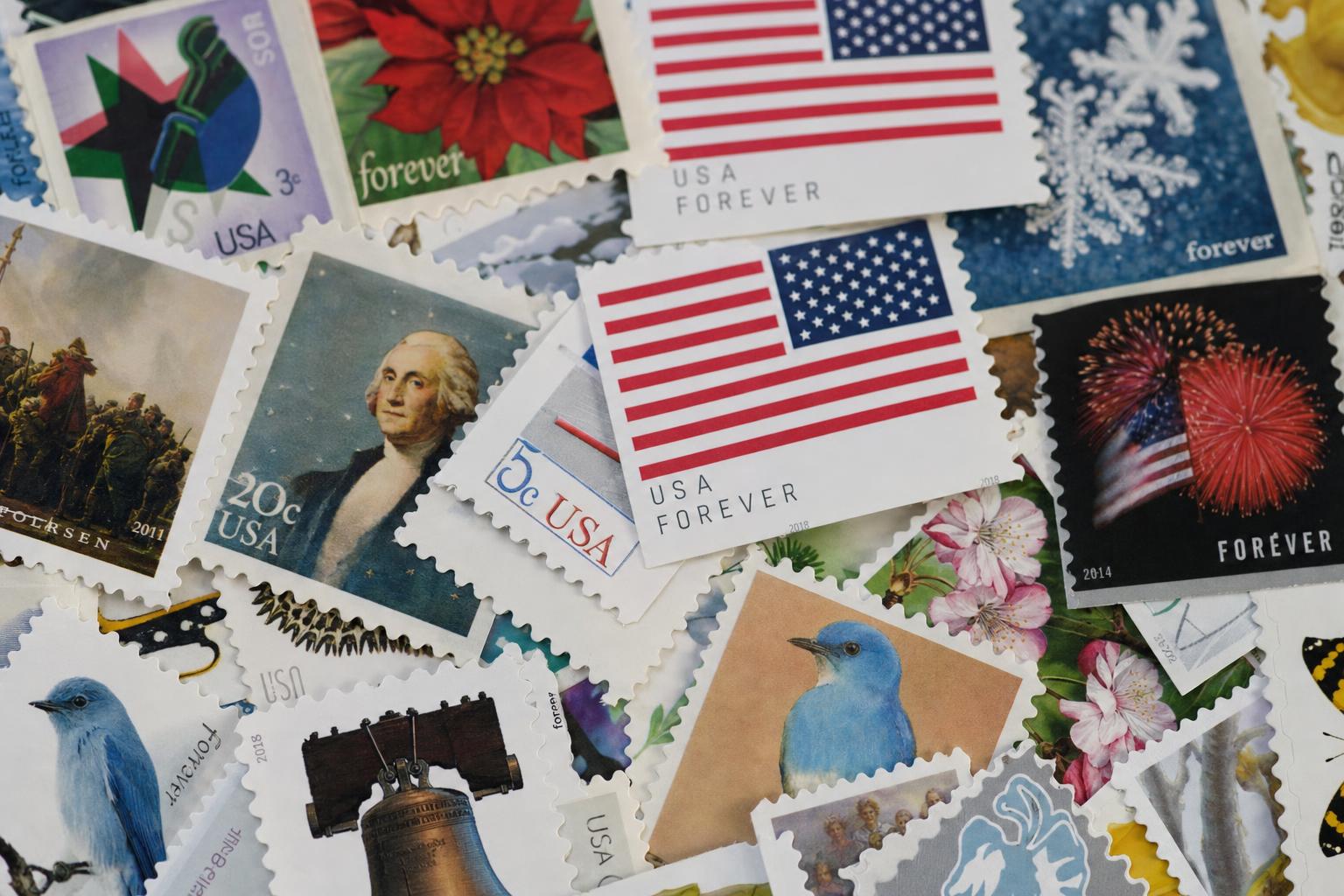
Collectors were curious and a little skeptical. Philatelists value variations, limited runs, and unusual motifs. The forever stamp introduction removed the “use-by” drama many stamps had. But it also created a new category worth tracking: print runs, perforations, and design variants of a stamp that would be used routinely. The result was new subsections in stamp catalogs and lively chatter on collector forums.
### How Businesses Felt The Shift
Small businesses are where the effect was most practical. A local bakery, for example, could buy a pack of forever stamps and add them to invoice mailings without adjusting every quarter. That one less detail saves time and reduces tiny accounting headaches.
Some larger firms adjusted purchasing practices. Procurement teams that handled office supplies added Forever Stamps to the same orders as envelopes and ink cartridges. The idea of a non-depreciating postage product influenced how companies forecasted petty cash and office expense budgets. Even retailers selling office supplies saw the stamps as an item shoppers bought alongside greeting cards and file folders.
### Not Just Convenience: Financial And Psychological Effects
Locking in postage removed a kind of mental bookkeeping. People who buy presents, plan events, or send announcements often keep a small stock of stamps. Before the forever stamp introduction, those stocks were a liability: “Is this still enough? Did I underpay?” The Forever Stamp turned that friction into a closed problem. That has subtle value.
There’s also the consumer psychology angle. The sense of getting a durable product, something that won’t become outdated, nudged people to view stamps less as single-use items and more as staples. That subtle shift nudged sales. It’s the kind of product tweak that works quietly and then becomes obviously useful.
## How The Forever Stamp Introduction Affected Collecting And Value
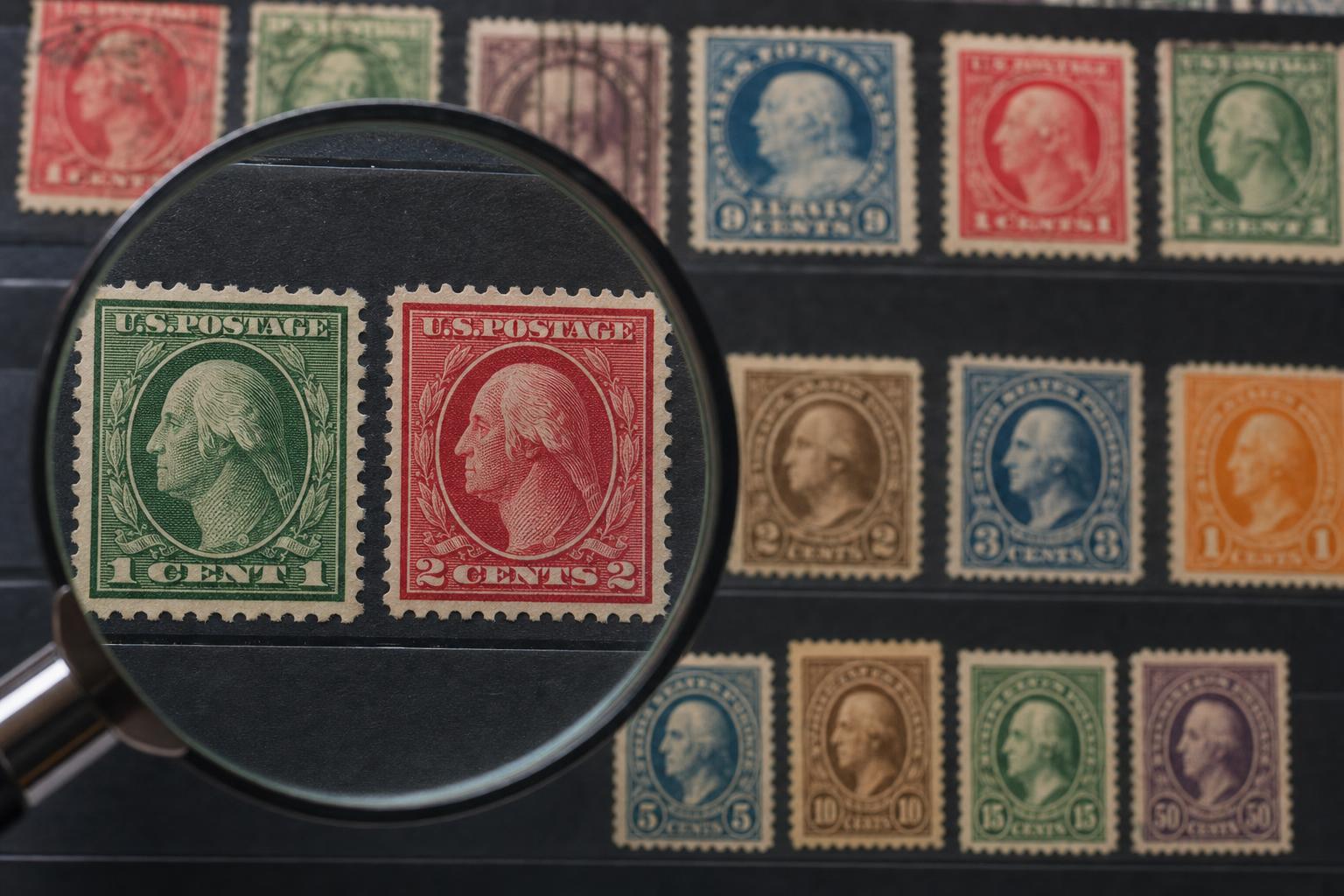
Collecting never stopped being about finding the unusual, but the forever stamp 2007 created a new focus. Collectors began tracking initial printings and minor variations. The stamp’s widespread use meant many examples were in circulation, which reduced rarity but increased the number of variations worth noting.
### New Criteria For Philatelists
Collectors shifted emphasis from scarcity to variants. Color shifts, marginal markings, and printing errors gained attention. That meant while a common Forever Stamp wasn’t rare, certain anomalies could be prized. The forever stamp introduction effectively broadened the hobby’s scope. Instead of only chasing limited issues, people compared coil sheets against pane prints, sought misprints, and documented differences in gum and perforation.
Many stamp clubs hosted seminars explaining how to spot worth-even-when-common variations. Local collectors swapped sheets, pointing out subtle changes in printers’ runs. It felt less like a race to own scarce pieces and more like a shared scavenger hunt.
#### How Dealers Adapted
Dealers changed inventory strategies. They bought bulk at issue and split sheets for sale, sometimes packaging varieties to appeal to both causal buyers and serious collectors. Auctions occasionally featured single misprints that drew interest. The market for everyday postage softened, while a niche market for errors and first-run imperfection grew.
### The Role Of Special Editions And Commemoratives
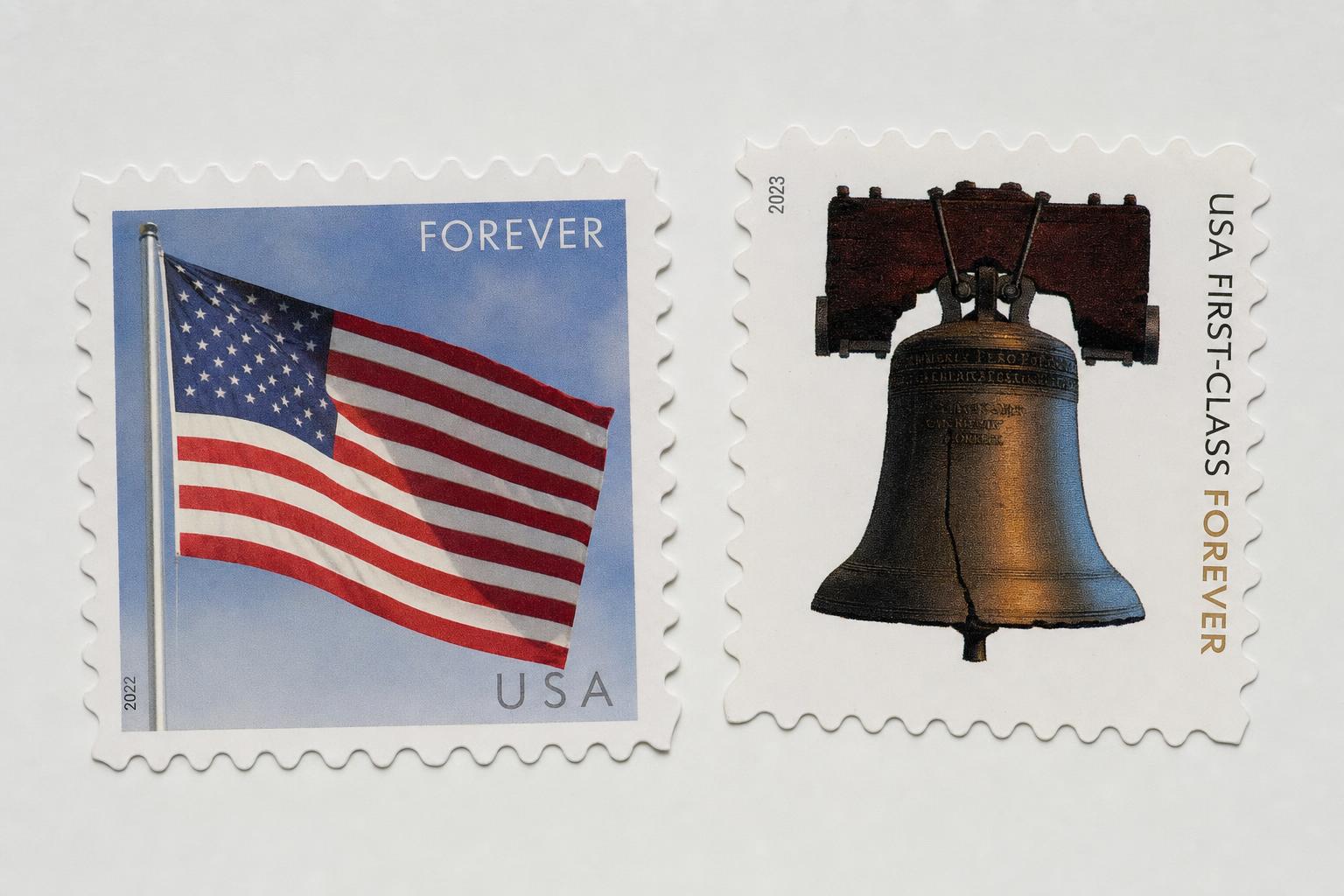
Introducing a Forever Stamp didn’t stop the USPS from issuing commemoratives. Instead, it created two parallel streams: practical everyday stamps and themed commemorative forever stamps. Commemorative forever stamps sold well because people liked the dual benefits: a visually striking design and the guarantee of perpetual first-class use. That preserved a retail space for special issues while ensuring the basic everyday need was covered.
## Operational Benefits And Challenges For USPS
From an operations perspective, the forever stamp introduction simplified some aspects of logistics and complicated others. Retail sales were easier to explain: one stamp does one job, forever. That reduced counter time and simplified customer service training.
But it required accounting and revenue considerations. Because stamps are paid for in advance of use, rising inventories of unsent mail represent potential future liability. The USPS had to model how long stamps remain in circulation before being used, and how that affected cash flow. Overall, the product worked out as a positive, but it required tighter forecasting.
### How Technology Played A Role
The forever stamp 2007 release coincided with a period when the Postal Service was modernizing systems. Labeling, tracking, and cashier systems were updated to show the new product. Retail displays were redesigned to emphasize the permanent-value aspect rather than just the design.
Online sales followed. The USPS website began offering booklets and rolls of Forever Stamps as a standard item. For consumers who buy stamps rarely, the ability to order a booklet online and stock up made sense. That changed retail dynamics, too, because online shops had different buying patterns than brick-and-mortar customers.
### International Repercussions
Other postal services watched. Some adopted similar products or examined the policy to see whether a permanent denomination could ease rate changes in their markets. The forever stamp introduction set a precedent. It wasn’t a universally applicable policy, but it provided a model for how governments and postal agencies might simplify retail facing rate volatility.
## Stories From The Field
I talked with a few postal clerks and some small-business owners who still remember that year. A clerk in a Midwestern town said the change “made people less nervous during Thanksgiving rush.” A florist in a suburb noted they no longer had to instruct part-time staff on adding two-dollar adjustments after a rate change. Small frictions dropped, and the overall service experience improved.
One collector told me a story about finding a small misprint in a sheet purchased the week the Forever Stamp launched. They were thrilled because a mundane stamp suddenly had a story attached. Those human moments—someone realizing they saved a dime, or someone discovering a printing anomaly—are still part of the Forever Stamp’s appeal.
### Anecdotes That Stick
A retiree saved a stack of forever stamps bought in 2007 and used them over the next decade for handwritten letters. For them, the stamps became part of the ritual of staying in touch. Another example: a nonprofit bought several sheets before a campaign, avoiding hassle during a busy season. The operational simplicity cut an administrative task that often fell to volunteers.
## Why The Idea Persisted
Practical products stick when they solve small, recurrent problems. The forever stamp introduction handled a tiny but universal annoyance. It replaced incremental, reactive behavior with a single proactive choice. That’s why the idea spread in the USPS catalog of offerings.
There were critics early on. Some argued it would encourage stockpiling or confuse international mail rules. Those concerns were manageable. The design remained simple. The policy remained clear: it covered single-piece first-class domestic postage. That clarity made adoption easier.
### What Came After
After 2007, Forever Stamps became a normal part of the postal landscape. They appear in commemorative sets and everyday issues. The stamp’s presence changed how stamp designers thought about audience and reuse. Designers started making motifs that were both attractive and appropriate for ordinary mail.
Innovation didn’t stop. The Postal Service experimented with themed Forever Stamps and digital offerings. But the core product endured because the logic was sound. People buy things that keep working, and the forever stamp 2007 fit that mold.
#### Small Shifts With Big Practical Impact
The forever stamp introduction reminds us that big systems can benefit from tiny practical fixes. It’s not glamorous, but it’s useful. People liked the certainty and simplicity. Businesses liked the predictability. Collectors found new avenues of interest.
If you have a sheet of those early forever stamps in a drawer, they’re more than sentimental. They’re an example of product design meeting everyday needs. And they’re still accepted, no matter how many rates have risen since 2007. That reliability is the point and the lasting legacy.
Here and there, the USPS has released variations and commemoratve prints that test different audiences. But the initial promise—buy once, use anytime for first-class letters—remains solid. It changed small paperwork habits and, in doing so, it quietly reshaped a slice of the postal economy. For many, that small change made mailing less of a chore and more of a simple thing. The hope is people keep using it for letters, bills, and the occasional handwritten note, because some things should stay low-effort and dependable.
Leave a Reply