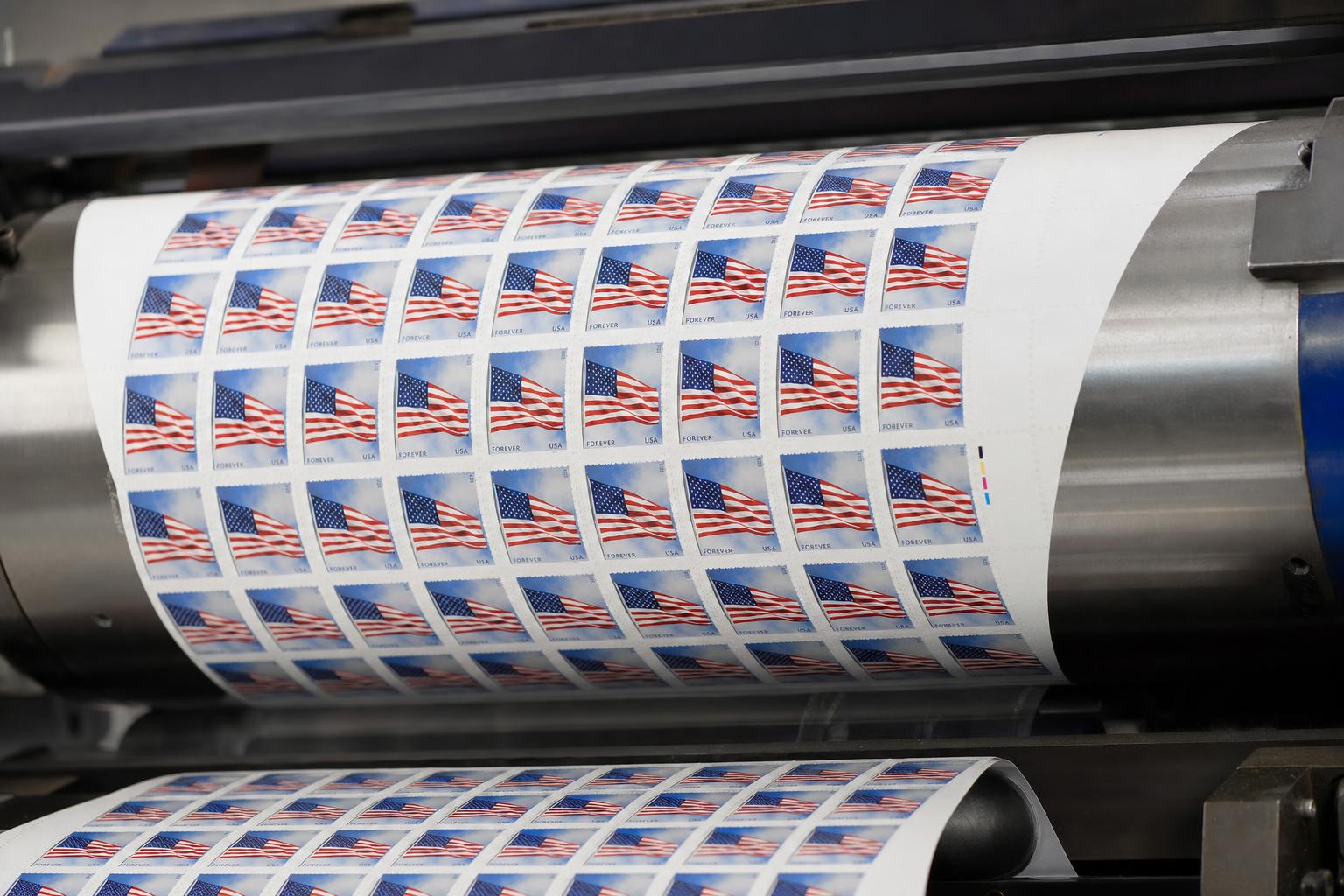
## How Are Postage Stamps Printed Today
If you’ve ever stared at a sheet of new stamps and wondered how those tiny artworks got made, the short answer is: through a mix of long-standing craft and modern industrial printing. Asking how are postage stamps printed opens up a chain of steps that start with an idea and end with a sealed booklet on your local post office shelf. Each step matters: design choices affect printing technique, and the chosen technique in turn shapes things like color, texture, and security.
### Design And Prepress
Artists and designers deliver the initial art in high resolution. For USPS stamps, the art is usually tightly curated—concepts are vetted, historical accuracy checked, and technical constraints applied. Design files are prepared at high dpi and then translated into separations. That’s where the stamp printing process becomes technical: each color in the design needs its own channel so presses can lay ink down in layers.
Proofs are printed next. These aren’t final stamps; they’re test impressions used to check color, scale, and detail. Proofs reveal issues you won’t see on a monitor, such as how a varnish will sit on skin tones or how halftone dots interact. If the proof looks off, designers and press techs iterate until the colors match the approved artwork. This step is critical to controlling the final look of the stamp and preventing costly runs of misprinted sheets.
#### Artwork To Plates
Once proofs are approved, the file goes into plate production. In offset work that means making photopolymer plates; in gravure it means etching cylinders. Plate making used to be slow and manual; now it’s largely computerized. For intaglio (engraving), a combination of photomechanical transfer and manual touch-up is often used. The plates or cylinders translate flattened digital art into a physical surface that can transfer ink to paper.
### Core Printing Methods Used In Modern Stamp Production
There’s no single method that answers how are postage stamps printed because multiple technologies are used, depending on the desired effect.
#### Offset Lithography
Offset lithography is probably the most common method today for mainstream stamp production. It uses plates to apply ink to a rubber blanket, which then transfers the ink to paper. Offset handles fine lines, subtle colors, and short-to-medium runs efficiently. It’s also cost-effective for multi-color work. Modern offset presses run web (continuous roll) or sheet-fed configurations. For stamps printed as sheets or booklets, sheet-fed offset often wins for registration and color control.
#### Intaglio (Engraving)
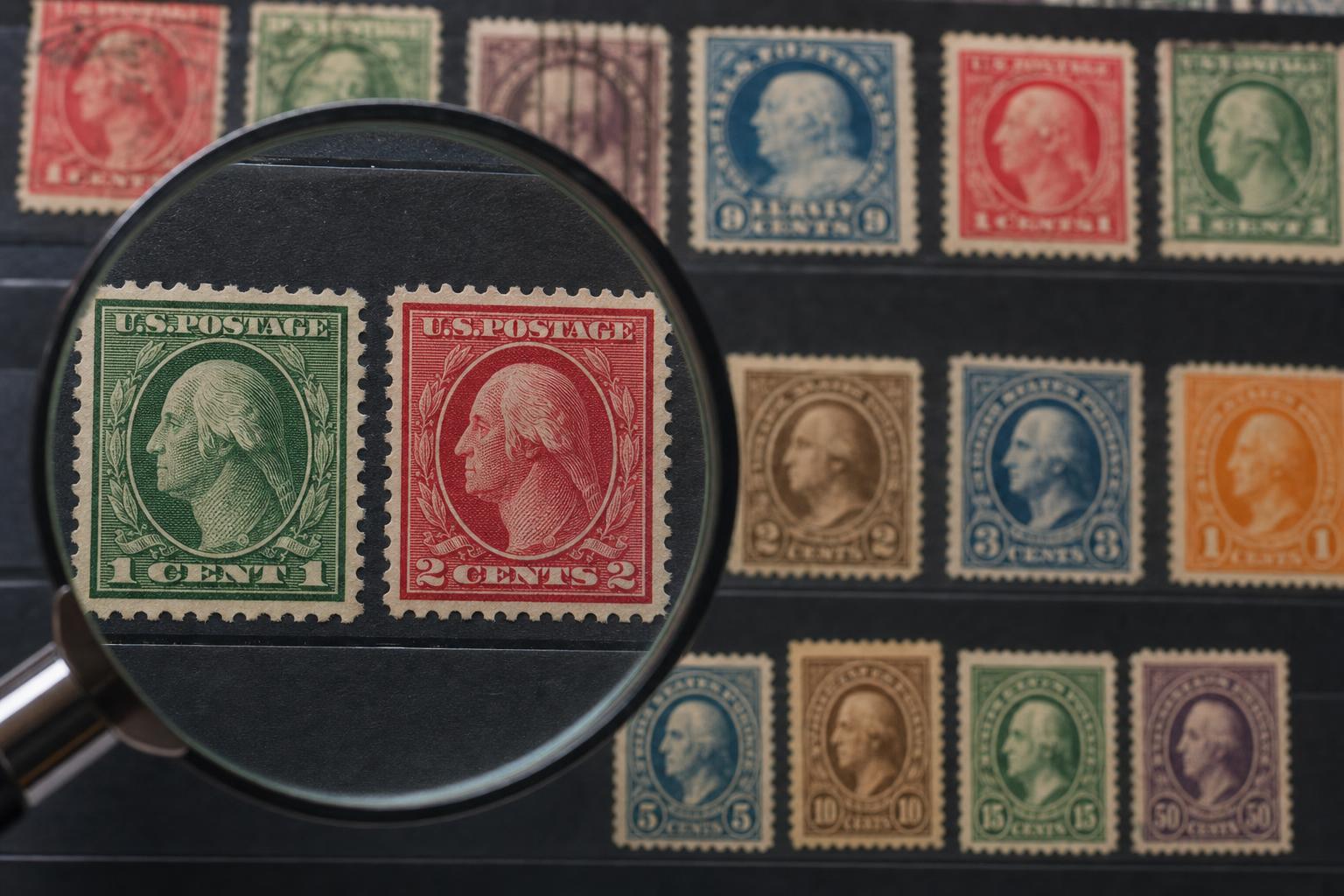
Intaglio is the tactile, engraved look you sometimes see on commemorative or high-value stamps. Lines are incised into a plate, ink is forced into those lines, and then high pressure transfers those lines to paper, leaving a slightly embossed effect. This method produces exceptional detail and a distinct feel under the finger. Intaglio is slower and more expensive, so it’s reserved for stamps where a textured, luxury finish is part of the goal.
#### Photogravure And Gravure
Photogravure (and its industrial cousin, gravure) uses cylinders etched with tiny cells that hold ink. When printed, they deliver continuous-tone imagery and very smooth color blends. Photogravure is a good choice for photographic art on stamps. It’s fast and robust, which is why large coil runs and high-volume issues sometimes use gravure.
#### Digital And On-Demand Printing
For rapid runs, special releases, or personalized stamps, digital presses are increasingly common. Digital printing removes the need for plates, so setup is fast and small batches are practical. Color can be tightly controlled and variable data—such as personalized names or images—can be inserted without stopping the press. As digital technology improves, its output is getting closer to traditional methods in both color fidelity and paper handling.
### Adding Security And Postal Features
Beyond artwork and color, stamps need features that help machines read them and prevent fraud. Phosphorescent tagging is a classic example. Thin bands or patches applied during printing fluoresce under UV light and let sorting machines detect orientation and postage class. Microprinting—very small text that’s legible under magnification—is used as an anti-counterfeit device. Some modern stamps incorporate tiny perforation variations or invisible inks that show up only under specific lights.
The stamp printing process also accounts for any adhesives. Most older stamps used water-activated gum applied in a separate gumming stage. Today, self-adhesive stamps are more common; they’re printed on facestocks bonded to a pressure-sensitive adhesive and backed by a release liner. Applying the adhesive and liner changes the production flow since those materials behave differently on high-speed presses.
### Converting, Perforation, And Gumming
After the printed web or sheet comes off the press it enters finishing. Converting includes cutting sheets to size, applying gum or adhesives, and adding perforations. Perforation method affects how stamps separate. Rotary pin perforation punches holes using a cylinder with pins; it’s efficient for continuous web production. Guillotine-style perforation punches complete rows and columns for sheet-fed jobs. Laser perforation is a newer alternative that burns tiny holes without mechanical stress, useful when precision and cleanliness are priorities.
If a stamp is self-adhesive, the finishing line will kiss-cut or die-cut through the facestock without cutting the backing liner. Booklets and coils require additional folding and collation steps, with margins trimmed and covers attached. For stamps that require a matte or glossy finish, a varnish or coating station applies those layers before the final cut.
### Quality Control And Testing
You learn early in this work that a beautiful design means nothing if registration is off or colors drift over a long run. Quality control in stamp production is layered: inline sensors and cameras watch for registration, color, and defects. Color is measured with spectrophotometers and densitometers. When a print run starts, a sample batch is sent to a press room and to quality labs where technicians compare it to the master proof. That reciept of test prints triggers final approval to continue.
High-resolution cameras can detect even tiny flaws, like a missed perforation or a stray ink speck. If defects are spotted, operators often have a short window to adjust inks, press pressures, or plate settings before too many sheets accumulate. Random pulls are inspected by human hands, because some issues only show up to a trained eye. For certain commemorative issues, final sheets are reviewed by multiple departments before they’re signed off for distribution.
### Packaging And Distribution
Once sheets are cut and inspected, they’re gathered into the consumer formats you see: panes, booklets, sheets, or coils. Panes might be shrink-wrapped or boxed; booklets are stapled or glued and wrapped differently. Coils are wound into rolls, placed into protective boxes, and labeled.
Distribution logistics are a major part of stamp production. The finished stamps are staged for shipment to distribution centers and then to retail post offices. Some special releases are allocated to specific post offices with limited quantities. Inventory control must be tight to avoid shortages or overprinting.
### Environmental Considerations And Material Choices
Paper choice matters. Stamp papers are often coated to accept ink differently from standard paper and to take embossing without tearing. For self-adhesive stamps, facestock and adhesive formulations are selected for longevity, tack, and non-yellowing performance. Environmental concerns are increasingly part of selection criteria. Recycled content, vegetable-based inks, and efforts to reduce solvent use are common in modern print shops.
Water use is a real consideration when gumming and cleaning presses. Many plants capture and reprocess wastewater. Press manufacturers and stamp producers work to reduce VOC emissions and run presses more efficiently. As the postal system rethinks sustainability, materials and processes used in stamp production are under active review.
### Variable Data And Personalization
Personalized stamps let customers have their photos printed on stamp-sized images for short runs. That’s where the stamp printing process leans heavily on digital printing. Variable data printing allows each stamp or sheet to carry slightly different imagery or text without changing physical plates. It’s convenient for weddings, marketing, or limited edition runs. Security controls are tighter for these runs because personalization adds variables that can introduce printing errors or inconsistencies.
### Why Multiple Methods Still Matter
You might wonder why the industry doesn’t just switch entirely to one modern method. The reason is simple: different methods produce different results. Intaglio gives tactile depth you can’t get with offset. Gravure smooths photographic transitions. Digital makes personalization feasible. A commemorative that honors a sculptor might benefit from engraved lines. A high-volume coil for everyday mail needs the speed of gravure or offset. The choice reflects both the artistic aim and the economics of stamp production.
### Future Directions In Stamp Production
Look down the line and you’ll see continuing movement toward automation, better environmental profiles, and smarter security. Laser engraving and laser perforation are gaining traction because they reduce mechanical wear. Print-on-demand kiosks and regional short-run printers make limited issues easier to stage. On the security front, invisible inks and microtext are now joined by forensic-level inks and microscopic markers that can uniquely identify a print run.
Also, the tactile and collectible nature of stamps keeps production techniques that emphasize craftsmanship alive. That means intaglio and hybrid processes will likely remain, even as digital and web-based methods expand.
### How Are Postage Stamps Printed For Collectors Versus Postal Use
Collectors’ issues often receive extra attention. Print runs for first-day covers and limited-edition sheets might be produced at lower speeds, with more manual inspection and special gumming or embossing. Postal use stamps—ones that are primarily functional—are optimized for cost and speed. Those differences show up as paper choices, finishing quality, and even how perforations are set.
### Common Problems And How They’re Avoided
Ink setoff, misregistration, and paper curling are common production headaches. Controlling humidity in the press room prevents curling. Ink formulation and drying times are calibrated to avoid setoff, which occurs when wet ink transfers between sheets. Registration is managed by careful plate alignment and continuous monitoring. Experienced press operators are worth their weight in gold because they catch things machines might miss.
### The Human Element In Stamp Production
Finally, don’t underestimate the people. Designers, plate makers, press operators, proofers, and inspectors all add judgment calls to the process. Machines do the heavy lifting, but experienced humans keep the finish consistent and help translate an artist’s idea into a tiny efficient piece of postal technology. That balance between craft and industry is what makes each stamp more than just postage.
Leave a Reply